How to Create Your Own Chinese New Year Unit Study
Chinese New Year—also called Lunar New Year or the Spring Festival—is a holiday I am so excited to explore during our homeschool time. Growing up, there was a season my family lived with my Chinese step-grandma, and to this day, I remember the celebration for the Lunar New Year.
It’s colorful, meaningful, rooted in history, and naturally invites curiosity from young children. Best of all, it lends itself beautifully to a unit study approach, where learning feels less like “school” and more like living and celebrating together.
If you’ve ever wanted to slow down, follow your child’s interests, and learn alongside them, a Chinese New Year unit study is a wonderful place to start. Let’s walk through how to create one that feels doable, enriching, and fun—without overcomplicating it.
Why Unit Studies Work So Well for Homeschool Families
Before diving into Chinese New Year specifically, it helps to understand why unit studies are such a powerful learning tool.
A unit study focuses on one theme and weaves it across subjects like reading, writing, art, geography, culture, and even math or science. Instead of bouncing between unrelated lessons, everything connects.
Benefits of Unit Studies
They support deep learning. Children revisit the same topic in different ways, which helps concepts stick.
They’re adaptable for multiple ages. Toddlers can color and listen to stories while older kids research and write. For families with multiple kiddos, this is an amazing opportunity to simplify the curriculum!
They reduce prep and burnout. One theme, one mental load.
They feel joyful and memorable. Holidays and cultural celebrations naturally spark excitement.
Chinese New Year is especially well-suited for unit studies because it blends history, culture, food, storytelling, symbolism, and hands-on activities—all things kids love.
Read More:
Chinese New Year: When It Is & Why It Matters
One of the most helpful pieces to include in a Chinese New Year unit study is a clear explanation of when the holiday takes place and why it’s celebrated. This gives children important context and helps them understand how different cultures mark time, seasons, and new beginnings.
When Is Chinese New Year?
Chinese New Year does not fall on the same date each year. Instead, it follows the lunar calendar, which is based on the cycles of the moon.
Chinese New Year begins on the first new moon of the lunar calendar
It typically falls between late January and mid-February
Celebrations last for 15 days, ending with the Lantern Festival
This is a great opportunity to compare calendars with your child—how the lunar calendar differs from the one we use in the United States, and why many cultures around the world still follow moon cycles to mark time.
What Is the Traditional Significance?
Chinese New Year is also known as the Spring Festival, and at its heart, it’s a celebration of renewal, family, and hope for the year ahead.
Traditionally, this season is a time to:
Say goodbye to the old year
Clean and prepare the home to welcome good luck
Honor ancestors and family traditions
Celebrate new beginnings and fresh starts
Many customs focus on inviting good fortune, health, and prosperity, while letting go of bad luck from the previous year. This is why red decorations, firecrackers, special foods, and family gatherings are such important parts of the celebration.
Why Red Is Everywhere
Red plays a major role in Chinese New Year traditions. It symbolizes:
Good luck
Joy
Protection
Prosperity
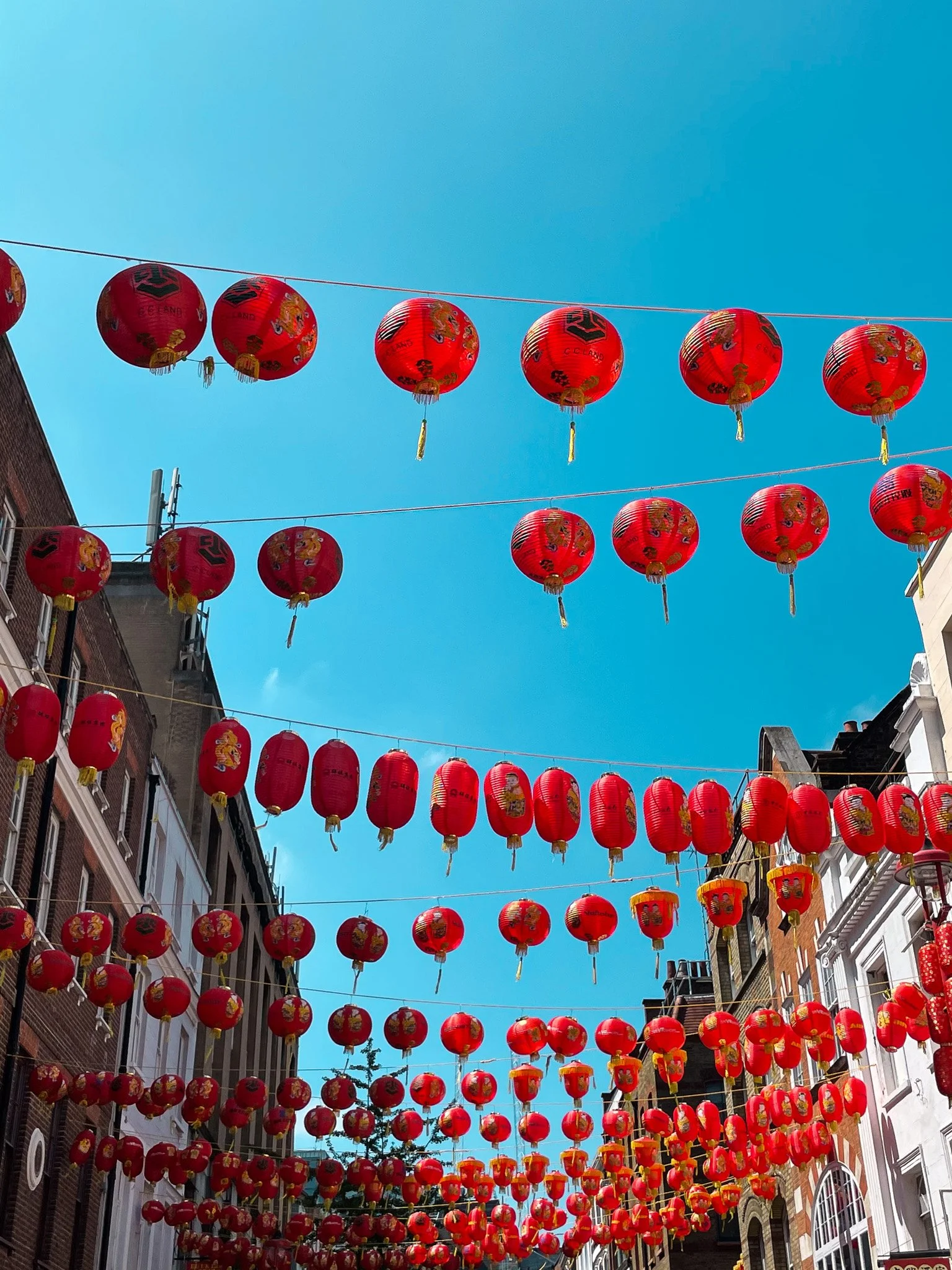
You’ll often see homes decorated with red lanterns, banners, and envelopes. This symbolism can be a fun discussion point for kids—especially when comparing how different cultures use colors to represent emotions and values.
The Chinese Zodiac & the New Year
Each Chinese New Year also marks the start of a new zodiac animal year, based on a 12-year cycle. Every animal is associated with different traits and characteristics, and many families enjoy learning what the new year’s animal represents.
For children, this can be a good entry point into:
Storytelling and legends
Sequencing and patterns
Cultural symbolism
Why This Matters in a Unit Study
Including the “why” behind Chinese New Year helps children understand that this celebration is more than decorations and food—it’s a meaningful cultural tradition that has been practiced for thousands of years.
For homeschool families, it also naturally opens the door to:
Cultural respect and global awareness
Calendar and seasonal learning
Discussions about family traditions and values
Reflection on new beginnings in our own lives
This deeper context transforms a fun holiday theme into a truly enriching learning experience.

What to Include in a Chinese New Year Unit Study
A great unit study doesn’t need to be rigid or overly academic. Think of it as a framework, not a checklist. Here are the core pieces I recommend including.
1. Start With Books (Always)
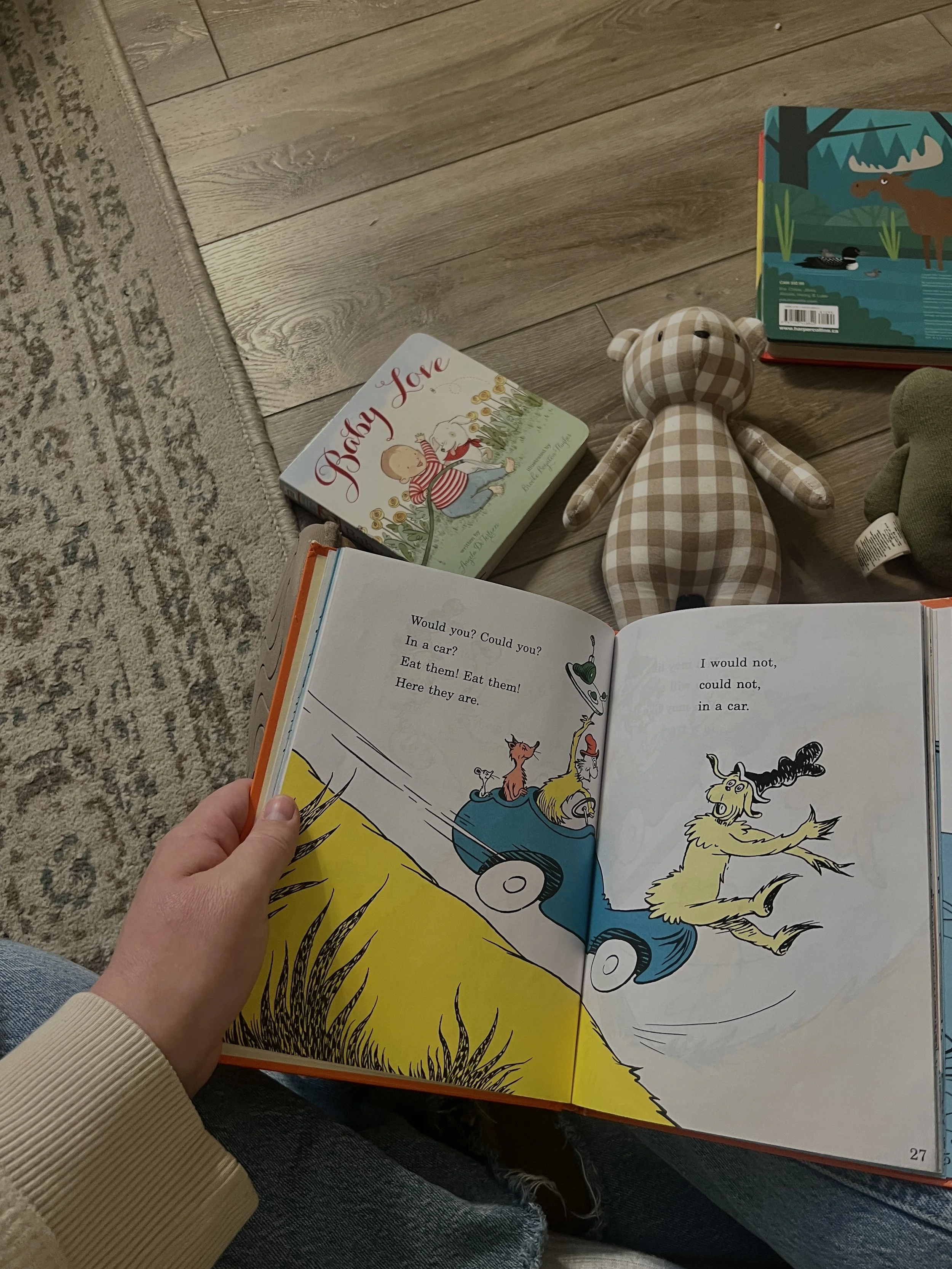
We are a big reading family! I feel like I am always picking up huge stacks of books I have put on hold from our local library. I believe books are the heart of any strong unit study. They introduce culture, spark discussion, and set the tone for everything else.
5 Favorite Chinese New Year Picture Books
These are especially lovely for preschool through early elementary ages:
Bringing In the New Year by Grace Lin
A beautiful introduction to Chinese New Year traditions through the eyes of a family preparing together.My First Chinese New Year by Karen Katz
Perfect for toddlers and younger preschoolers—simple text, bright illustrations, and familiar routines.Dragon Dance by Joan Holub
A rhythmic, engaging story that pairs well with movement activities.The Runaway Wok by Ying Chang Compestine
A folktale-style story that introduces cultural themes and generosity.Ruby’s Chinese New Year by Vickie Lee
Great for discussing traditions, family, and belonging.
2. Explore the Meaning Behind Chinese New Year
You don’t need a history lecture—just a simple explanation that grows with your child.
Some ideas to gently introduce:
Chinese New Year follows the lunar calendar, not the Gregorian calendar.
It marks the beginning of spring and a new year.
Each year is associated with an animal from the Chinese zodiac.
Traditions focus on good luck, family, renewal, and prosperity.
For older children, you can:
Locate China on a map
Learn how long the celebration lasts (15 days!)
3. Try Traditional Chinese New Year Foods at Home
Food is one of the easiest (and most memorable) ways to bring a unit study to life.
5 Fun and Symbolic Foods to Try
You don’t need to make everything from scratch—simple versions count. (or also support a local family restaurant!)
Dumplings – Symbolize wealth and good fortune
Spring rolls – Represent wealth and new beginnings
Longevity noodles – A symbol of long life
Mandarin oranges or tangerines – Good luck and abundance
Rice – Prosperity and nourishment
Kid-friendly idea: Let children help fold dumplings, count oranges, or stir ingredients. These small moments are rich learning opportunities.
4. Hands-On Chinese New Year Activities for Home
This is where unit studies really shine. Choose a few activities that fit your child’s age and attention span.
Easy and Engaging Activity Ideas
Arts & Crafts
Make paper lanterns
Create dragon or lion masks
Paint with red and gold
Design red envelopes (hongbao)
Fine Motor & Play
Cut and paste zodiac animals
Use chopsticks to transfer pom-poms
Build a dragon using cardboard boxes or paper chains
Movement & Music
Have a mini dragon dance
Play traditional Chinese music during crafts
March around the house with drums or pots
Writing & Literacy (for older kids)
Copy simple Chinese characters
Write a short paragraph about their zodiac animal
Keep a “New Year traditions” notebook page
5. Learn About the Chinese Zodiac
Children love the zodiac animals—and it’s a natural way to bring in sequencing, storytelling, and comparison.
Ideas:
Read the legend of the Great Zodiac Race
Find your family’s zodiac animals
Sort animals by traits (fast, strong, clever)
Create a zodiac wheel craft
This can easily turn into a math or logic activity for older learners.
6. End With Reflection or Celebration
One of my favorite parts of a unit study is creating a sense of closure.
Some simple ways to wrap it up:
Host a family Chinese New Year dinner
Share favorite facts learned
Let your child “teach” someone else
Take an excursion to a local Chinese market or China Town in your area
Watch a short Lunar New Year celebration video
Re-read your favorite book from the week
Learning doesn’t have to end with a worksheet—sometimes it ends with a shared meal and a memory.
Keep It Simple
Something I struggle with sometimes is capping the number of activities or lessons within a unit study— I often forget that we can recreate this unit study in years to come and cover different material.
A Chinese New Year unit study doesn’t need to last weeks or cover everything. Even 3–5 intentional days of reading, eating, creating, and talking together is more than enough to spark curiosity and cultural appreciation.
Has your family done a Chinese New Year study before? I would love to hear your family’s favorite activities!
Latest on the blog