Best Play Sand for Toddlers (What’s Safe, What to Avoid, and What Actually Works)
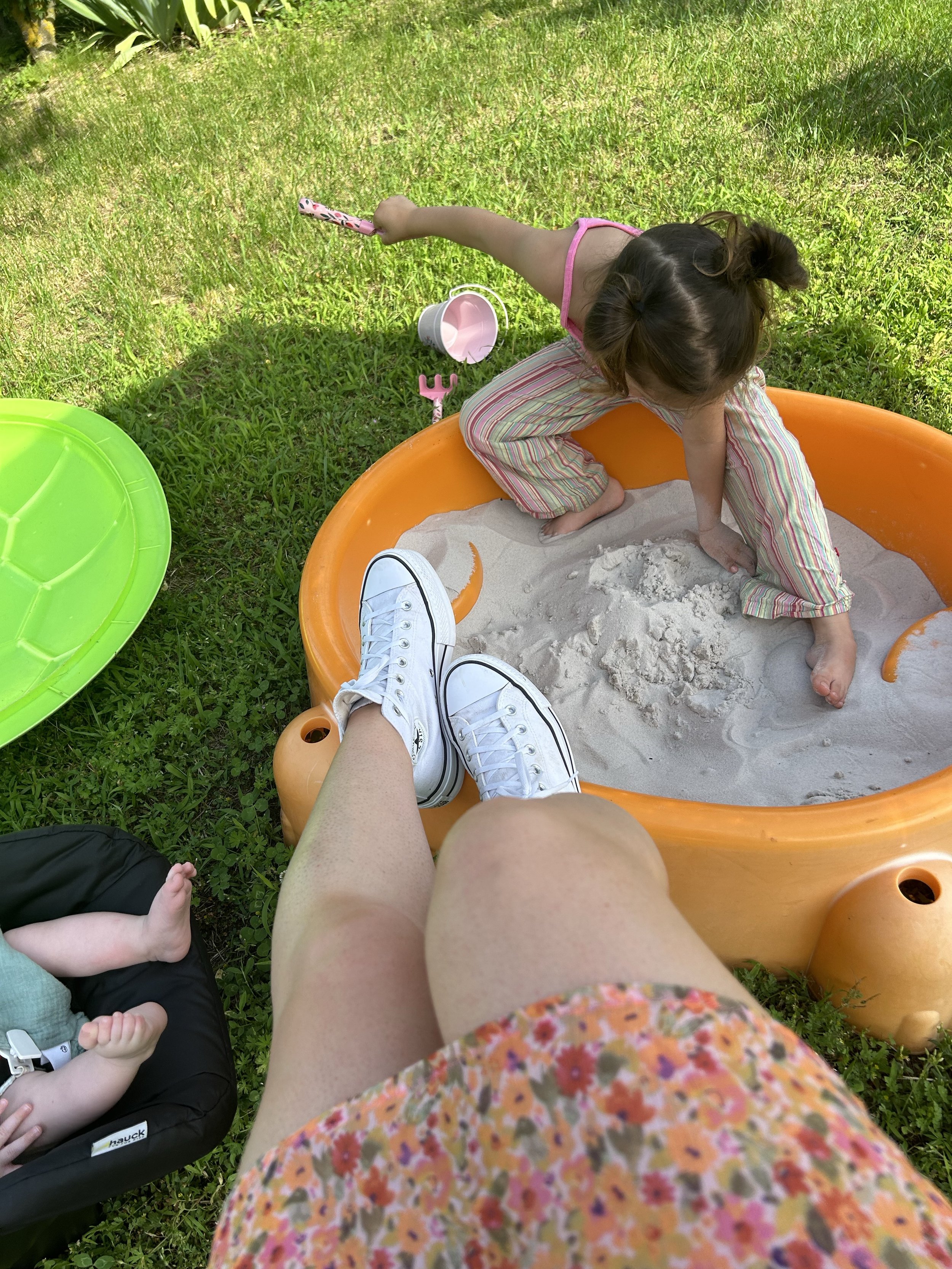
Sand play is one of those timeless childhood experiences—simple, inexpensive, and packed with developmental benefits. From filling a dump truck to building sandcastles, sand play supports fine motor skills, hand-eye coordination, creativity, and sensory play, especially for toddlers ages 1–2 years and up.
But here’s the thing: not all sand is created equal. When you start looking for the best play sand for toddlers, you’ll quickly run into confusing labels like regular sand, sandbox sand, beach sand, and white play sand. Add in safety concerns like crystalline silica dust, cancer warnings, and even mentions of a form of asbestos, and it’s enough to make any parent pause.
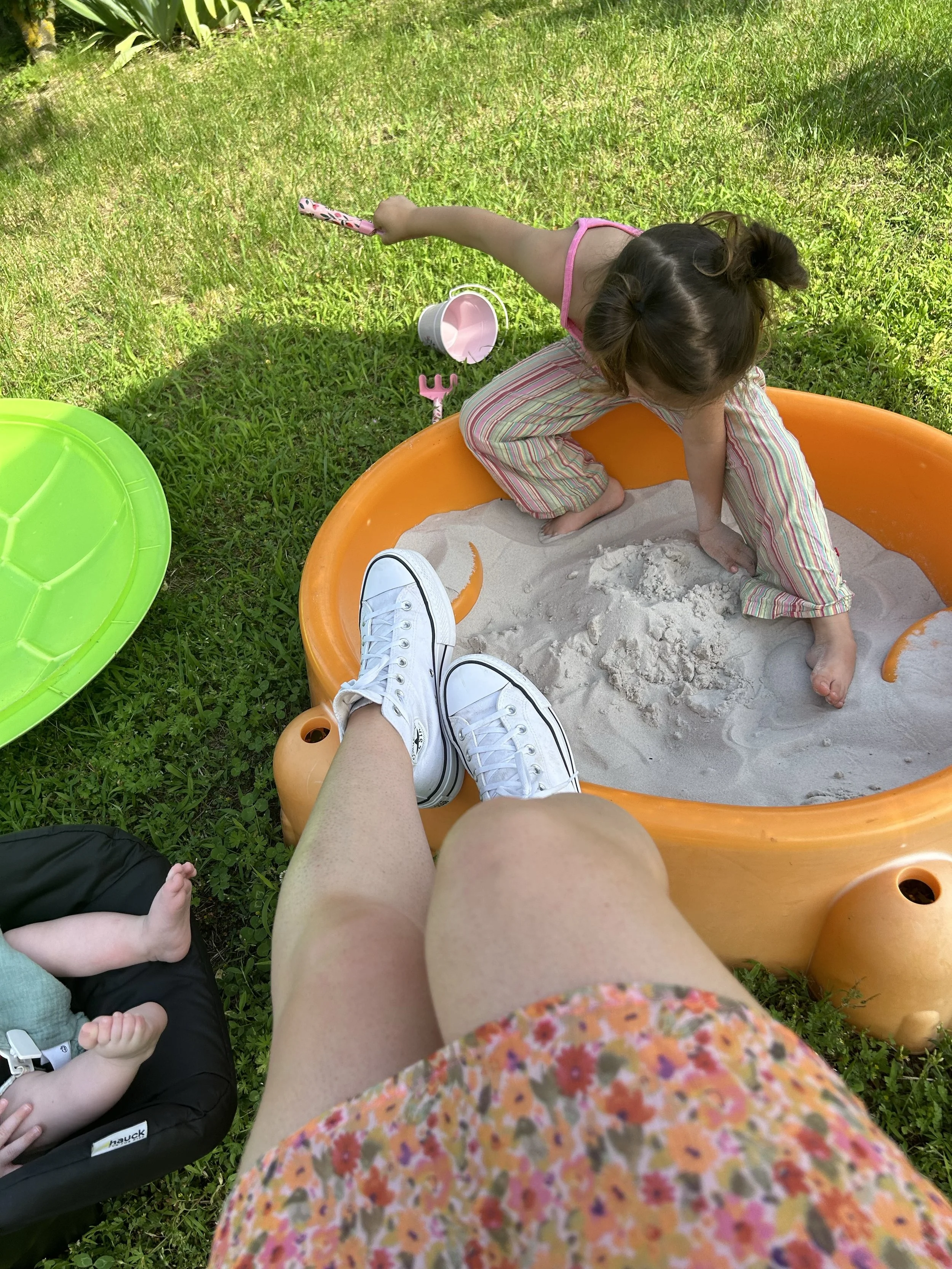
I literally had no idea there was so much to consider when I contemplated a simple sandbox area in the back for my kids 😅 Here are some of the things I learned and the options that got my “mom stamp of approval”!
Benefits of Sand Play for Children
I love anytime I can get my kids outside, encourage independent play, and support their sensory skills… a simple pile of sand kind of does it all.
Sensory Play Benefits of Sand
Sand play engages multiple senses at once:
Touch – Different grain size and textures
Sight – Various colors, white sand vs traditional sand
Proprioception – Scooping, lifting, dumping
Creativity – Building sandcastles, roads, and sand art
It’s no surprise that sand play is a staple in summer camps, early learning environments, and kids’ play spaces.
Montessori-Aligned Sand Activities
Sand offers open-ended, child-led learning opportunities that support:
Fine motor skills – Scooping, pouring, sifting
Hand-eye coordination – Transferring sand between containers
Practical life skills – Using small pitchers, spoons, and trays
Concentration & regulation – Rhythmic, repetitive movements
Easy Montessori Sand Play Ideas
Sand trays with a spoon and small bowl
Pouring sand between jars
Tracing letters or shapes in white sand
Filling a dump truck and moving sand across play areas
For indoor play, some families rotate sand with kinetic sand, which is less messy but still offers sensory input (though it doesn’t replace natural sand for outdoor use).
What Makes Sand Safe (or Unsafe) For Kids?
When choosing safe sand for a child’s sandbox or play areas, you can’t just pick up any sand at the store. Actually, doing that could potentially be harmful for little ones. Here are some pointers on how to pick a safe option:
1. Silica Content Matters
Many traditional sand products are made from quartz rock, meaning they contain quartz sand grains. Over time, these grains can break down into crystalline silica dust, which is considered respirable dust of concern.
Long-term occupational exposure to silica has been linked to lung cancer, pulmonary tuberculosis, and certain autoimmune disorders—this is why you’ll sometimes see cancer warnings on bags of sand at big box stores.
For toddlers who are close to the ground and prone to mouthing objects, this matters.
Silica-free options or silica-free sand are the safest choice for young children.
2. Grain Size & Dust Levels
The best sand for toddlers has:
A smaller particle size but not powdery
Minimal dust when poured
Smooth, rounded grains of sand (not sharp or crushed)
Dusty sand increases inhalation risk, especially in enclosed play areas or plastic sandboxes.
The Best Sand to Choose (and what to avoid)
Here’s a quick, parent-friendly breakdown of the most common options:
✔️ Best Play Sand Options
Sandtastik Play Sand- This was highly recommended by many sensory therapy places, which I thought was awesome! I also love the convenience of being able to get this off amazon.
Safe Sand Company– When researching safer sand options, I loved that this one shares all of its testing results, proving that it really is free from things like asbestos and lead! 👏
These are ideal for outdoor use, water tables, and your own sandbox.
⚠️ Sand to Avoid for Toddlers
Regular sand / normal sand from construction piles
Crushed limestone or sand made from feldspar rock
Sand with cancer warnings related to crystalline silica
Pea gravel (hazard – small parts, choking risk)
Sand collected from US deserts, beaches, or unknown local sources
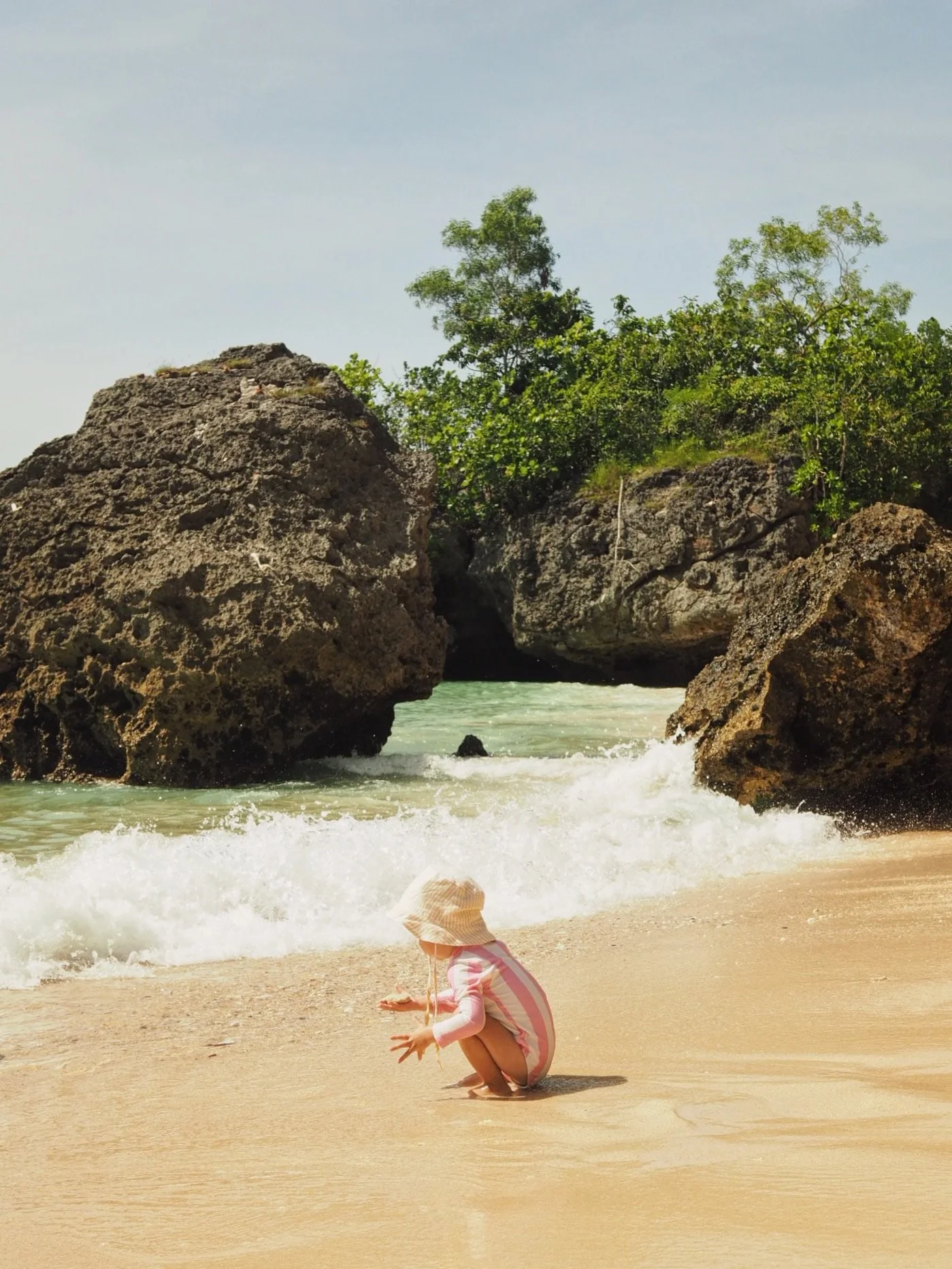
Even though beach sand feels natural, it can contain shell fragments, bacteria, or high silica content depending on the region and nearby mountain ranges. Better to purchase an option that is designed for play!
Where to Buy Safe Play Sand
It is not hard to find safe play sand! You can easily find sandbox sand at:
Home improvement or big box stores like Home Depot or Lowe’s
Online retailers (often better for finding silica-free options)
Some local companies that specialize in playground or summer camp materials
Always read labels carefully, especially when buying in large quantities. If a product doesn’t clearly state play sand or safe play sand, it’s probably purpose sand meant for construction—not kids’ play.
Sandbox Safety Tips for Toddlers
And since we are here talking about safety, it’s important to note some other sand safety tips to keep all the little ones safe and healthy!
Use a covered outdoor sandbox to keep animals out
Avoid plastic sandboxes that trap heat in full sun
Supervise closely for kids ages 1–2 years
Teach “sand stays low” to avoid eye irritation
Skip much sand indoors unless using trays
And yes—always check for small parts or pieces that could be choking hazards for little ones!
Summary: Choosing the Best Play Sand for Toddlers
The best play sand is:
Silica-free
Low dust
Smooth and natural
Labeled specifically for kids’ play
While traditional sand and construction-grade options may be cheaper, they’re not worth the tradeoff when it comes to your child’s health and safety. Thoughtfully chosen sandbox sand supports kids’ play, development, and joyful outdoor memories—without unnecessary risks.
Do your kids love playing in the sand too? Do you have any fun sand-based activities they love? We would love to hear!
Latest on the blog