35 Low-Cost Homeschool Activities for a 5 Year Old (That Actually Keep Them Engaged)
If you're homeschooling a kindergartener, you've probably discovered something pretty quickly: a 5-year-old doesn't need an expensive curriculum or a Pinterest-worthy classroom to learn well. (thank goodness!!)
In fact, some of the best homeschooling activities happen with everyday household items, a little creativity, and plenty of curiosity.
Whether you're looking for ways to fill your daily schedule, add meaningful hands-on activities between lessons, or simply make learning feel more natural, these ideas are inexpensive, simple to set up, and genuinely educational.
The beauty of homeschooling during the early years is that learning doesn't have to look like traditional school. At this age, children develop foundational skills through movement, exploration, conversation, and play.
Let's dive into some of my favorite low-cost ideas.
Why Low-Cost Activities Work So Well
One of the biggest misconceptions about homeschooling is that you need shelves full of curriculum and educational toys.
The truth?
Your child learns best through meaningful experiences.
Whether you're following a Charlotte Mason approach, using a free homeschool curriculum, or creating your own daily lessons, inexpensive educational activities often create the richest learning opportunities.
At five years old, the goal isn't rushing to a certain grade level—it's helping your child build confidence, curiosity, and a lifelong love of learning at their own pace.
1. Create a Sensory Bin
A simple sensory bin can keep little hands busy for an hour while strengthening fine motor skills.
Fill a container with inexpensive materials like:
Dry rice
Beans
Oats
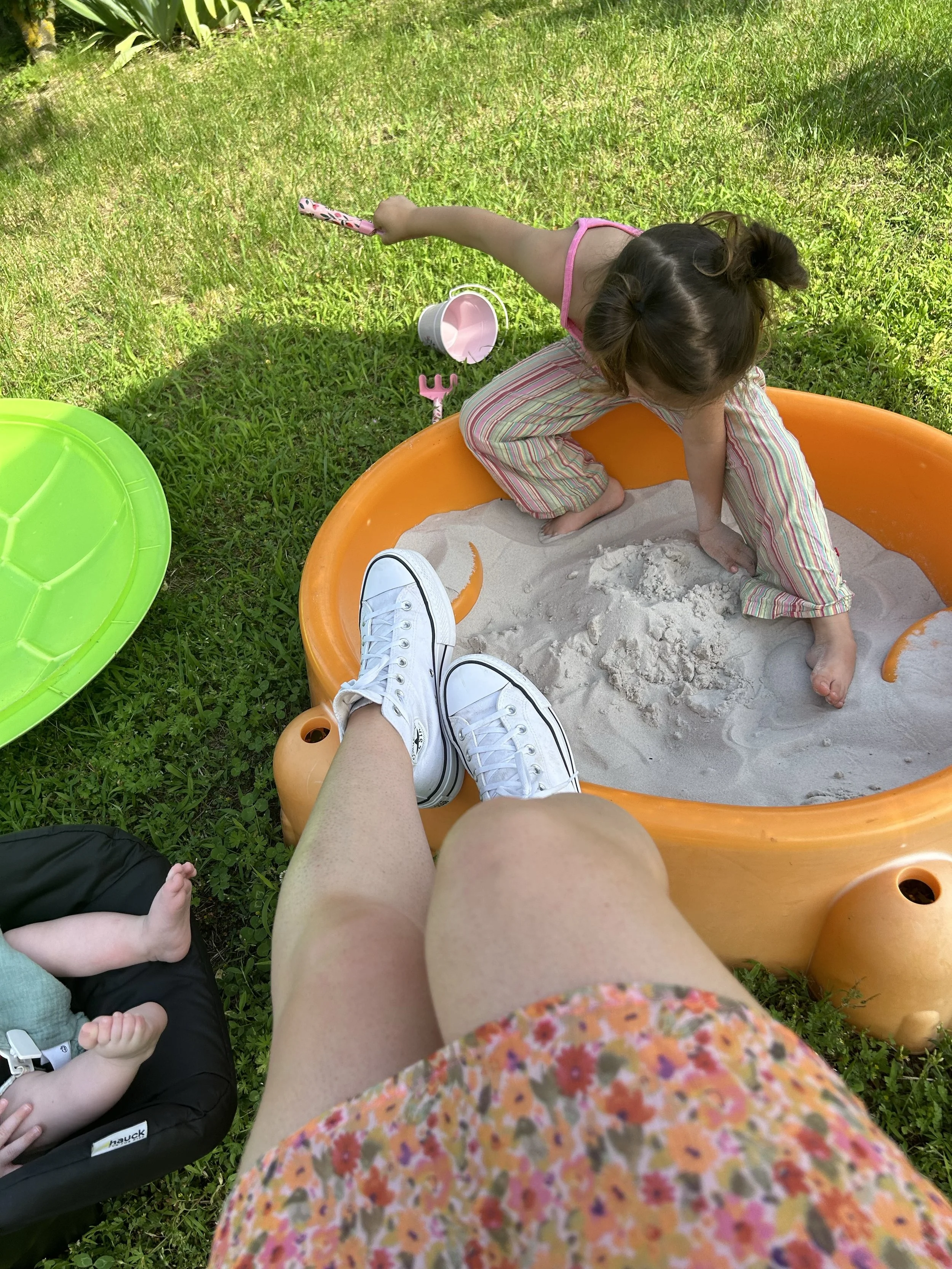
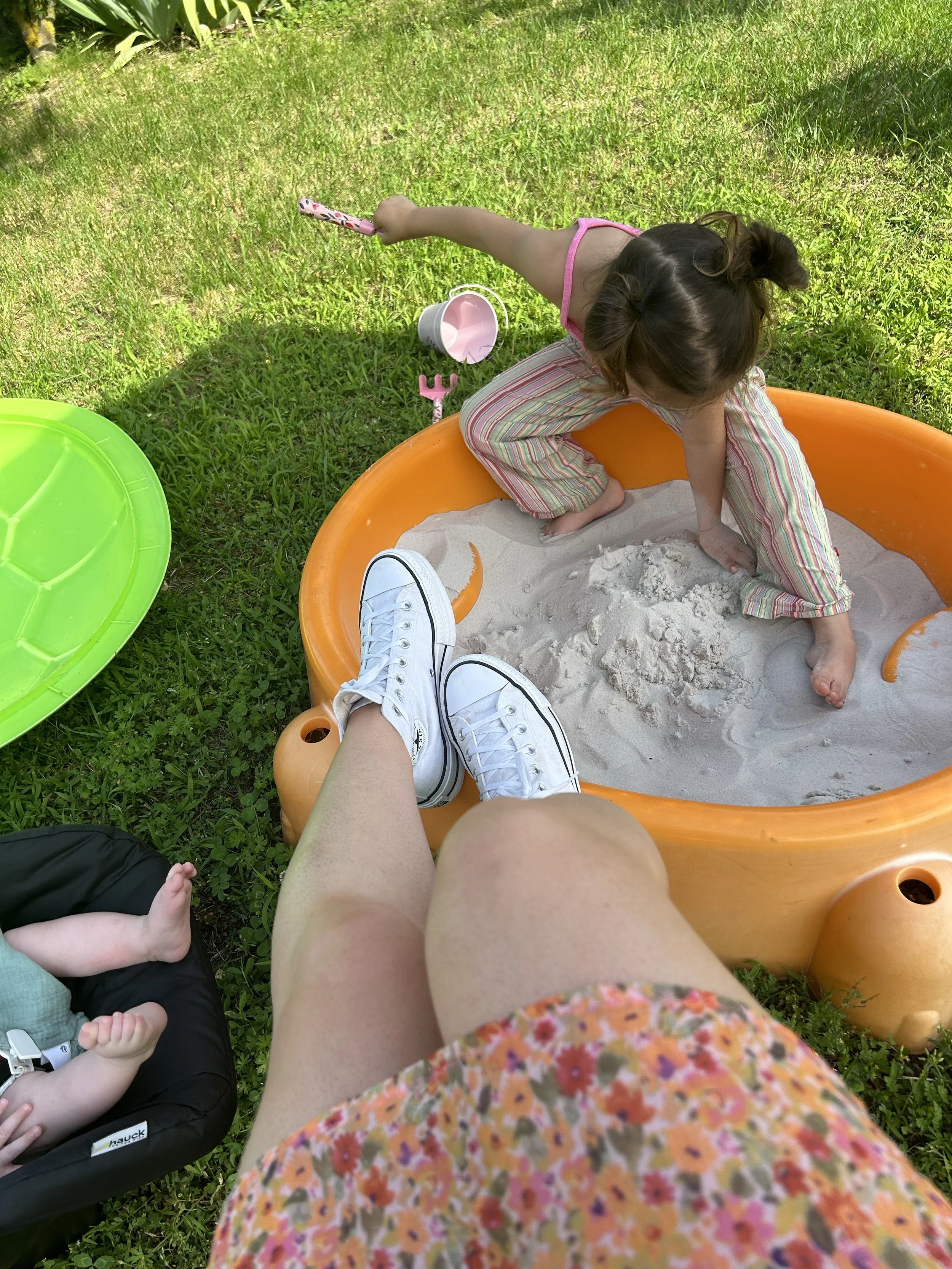
Sand
Water beads (for older kids with supervision)
Shredded paper
Add small toys, measuring cups, scoops, alphabet letters, or animal figures for endless creative play.
Switch out the theme with the different seasons using pinecones, leaves, plastic insects, or cotton balls for snow.
It is so fun watching my kids be creative with these sensory bins!
2. Go on a Nature Walk
A nature walk is one of the easiest—and completely free—ways to combine science, movement, and observation.
Visit your local park, neighborhood trail, or even your own backyard.
Ask your child to look for:
Different shapes of leaves
Birds
Insects
Rocks
Flowers
Animal tracks
This simple activity introduces new science concepts while encouraging curiosity and observation.
Read More:Charlotte Mason-Inspired Nature Walk Ideas
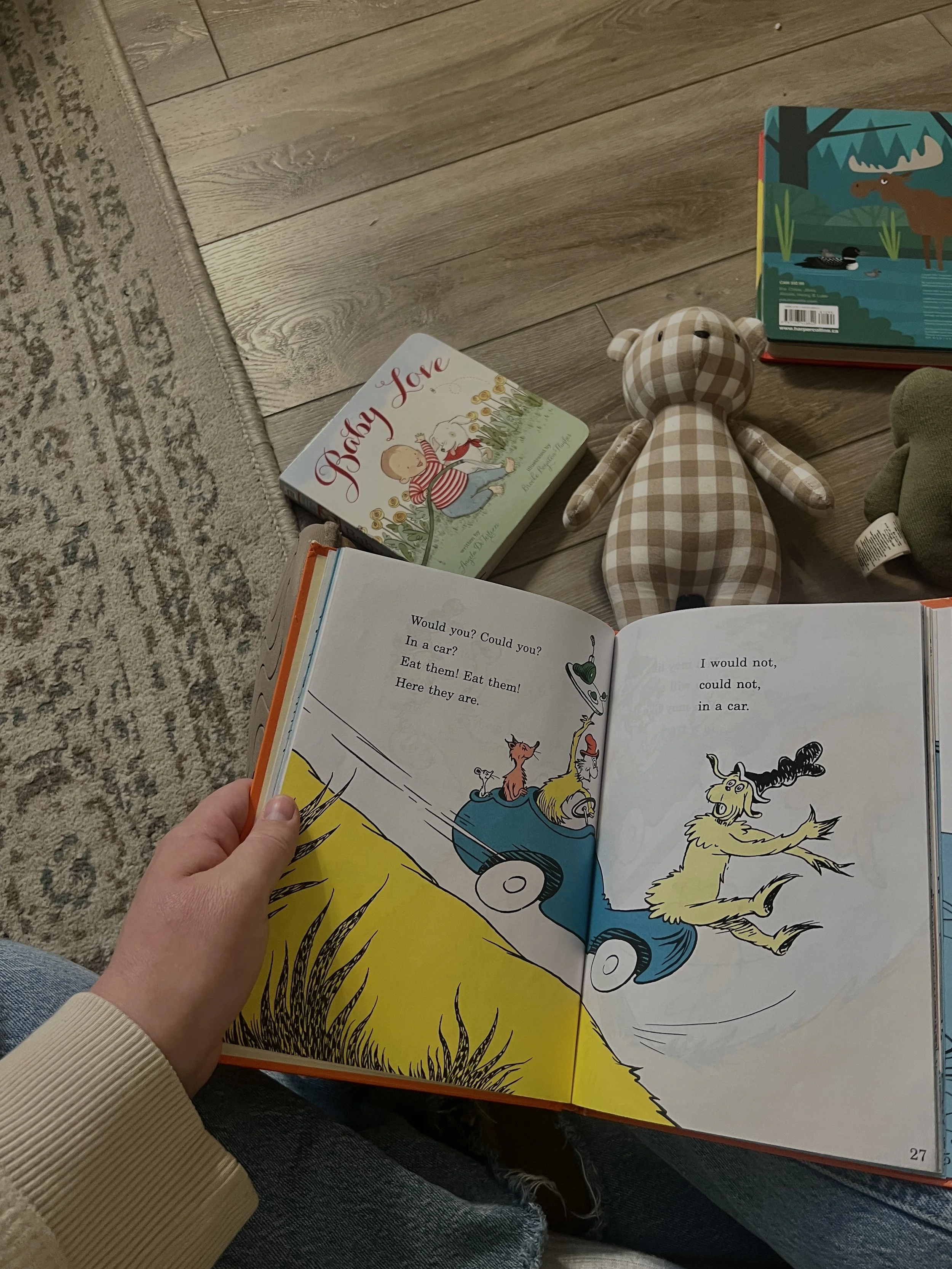
3. Read Picture Books Together
Never underestimate the power of picture books.
Daily read-aloud time builds vocabulary, comprehension, listening skills, and imagination—all while creating wonderful quality time together.
Mix in:
Classic stories
Nonfiction books
Seasonal favorites
Books connected to your current science curriculum or social studies topic
Your local library and a library card can provide hundreds of books without spending a dime.
4. Build Letters with Play Dough
Play dough strengthens little fingers while reinforcing letter sounds.
Roll snakes, flatten shapes, and build:
Uppercase letters
Lowercase letters
Numbers
Basic shapes
This combines sensory play with early literacy. We love this non-toxic play dough, or you can also make your own.
5. Make Your Own Math Manipulatives
You don't need expensive supplies or crazy kits. You can easy create your own math manipulatives using what you probably have lying around your home..
Create math manipulatives using:
Buttons
Coins
Dry beans
Rocks
Bottle caps
Craft sticks
Pasta
Practice counting, patterns, sorting, simple addition, and comparing quantities.
6. Do Simple Science Experiments
Kids love science experiments, and many require ingredients already in your kitchen.
Some of our faves include:
Baking soda and vinegar volcanoes
Sink-or-float tests
Growing seeds
Mixing food coloring
Homemade slime
Melting ice
These simple hands-on science activities make abstract concepts easier to understand.
7. Enjoy Pretend Play
Never feel guilty for making time for pretend play.
Whether your child opens a pretend restaurant, veterinarian office, grocery store, or post office, they're building:
Communication
Creativity
Early math
Reading
Problem-solving skills
Social skills
Open-ended imagination is one of the best forms of learning. It is also one of my favorite things to observe as a parent. It is so neat getting to see what your child's brain creates ✨
8. Create an Art Project from Recycled Materials
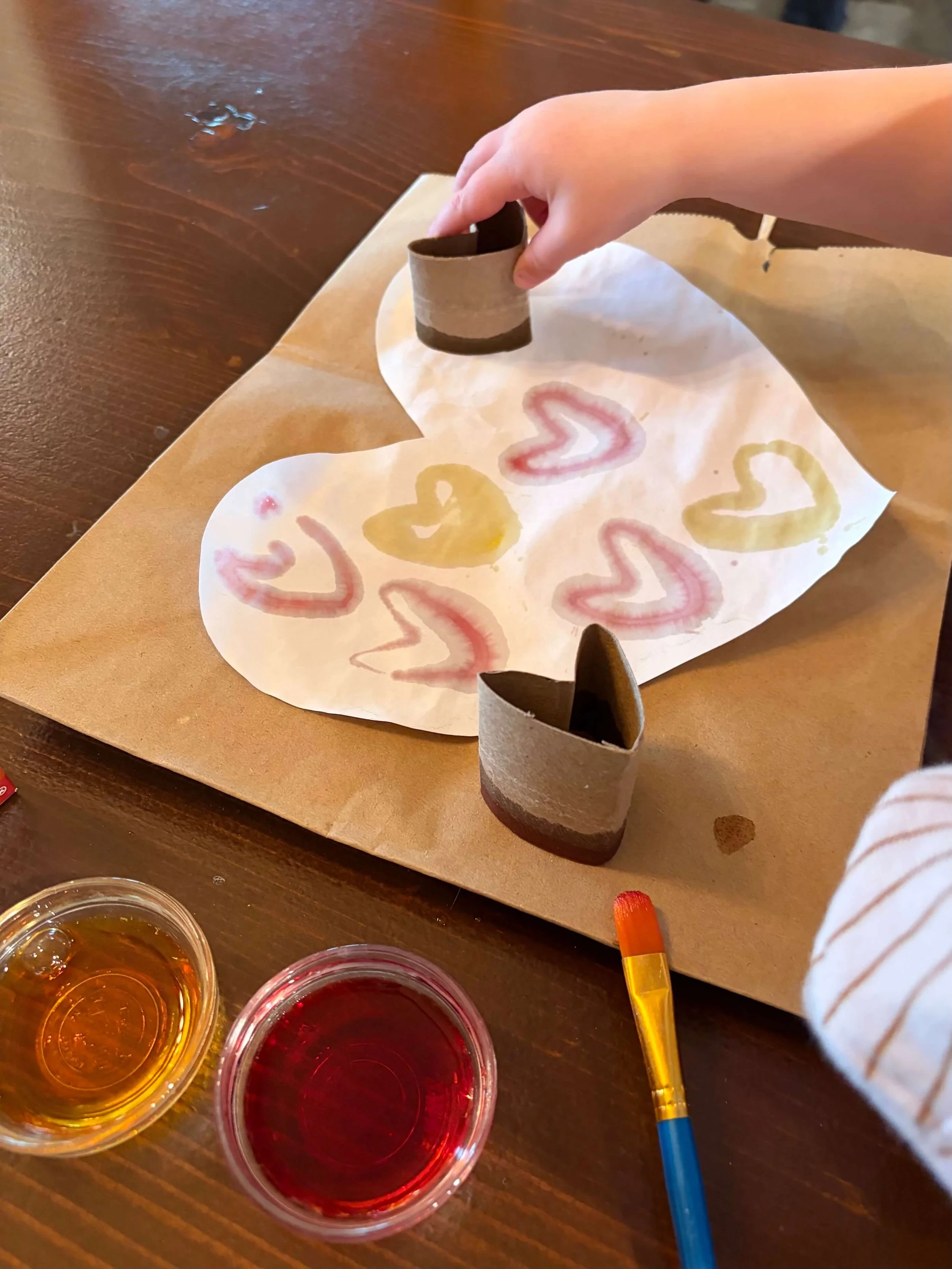
Save cardboard boxes, toilet paper tubes, paper bags, and magazines.
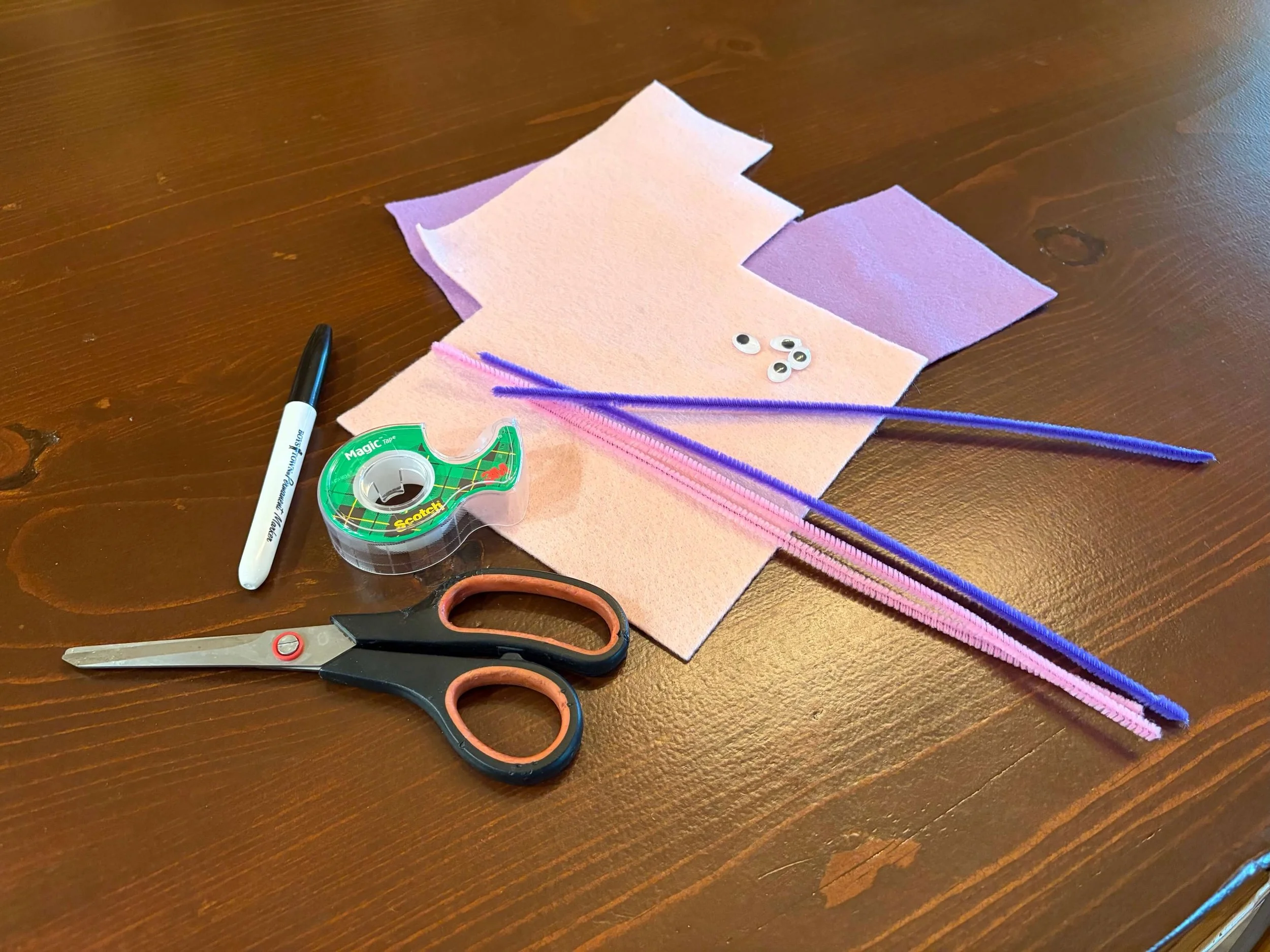
Invite your child to create an art project however they choose. All I do is bring their craft bin out and set them free! It also does't have to be anything elaborate with supplies-- just some simple safety scissors, a glue stick, and some crayons can give them plenty to work with!
Open-ended art encourages creativity without requiring expensive craft kits.
9. Bake Together
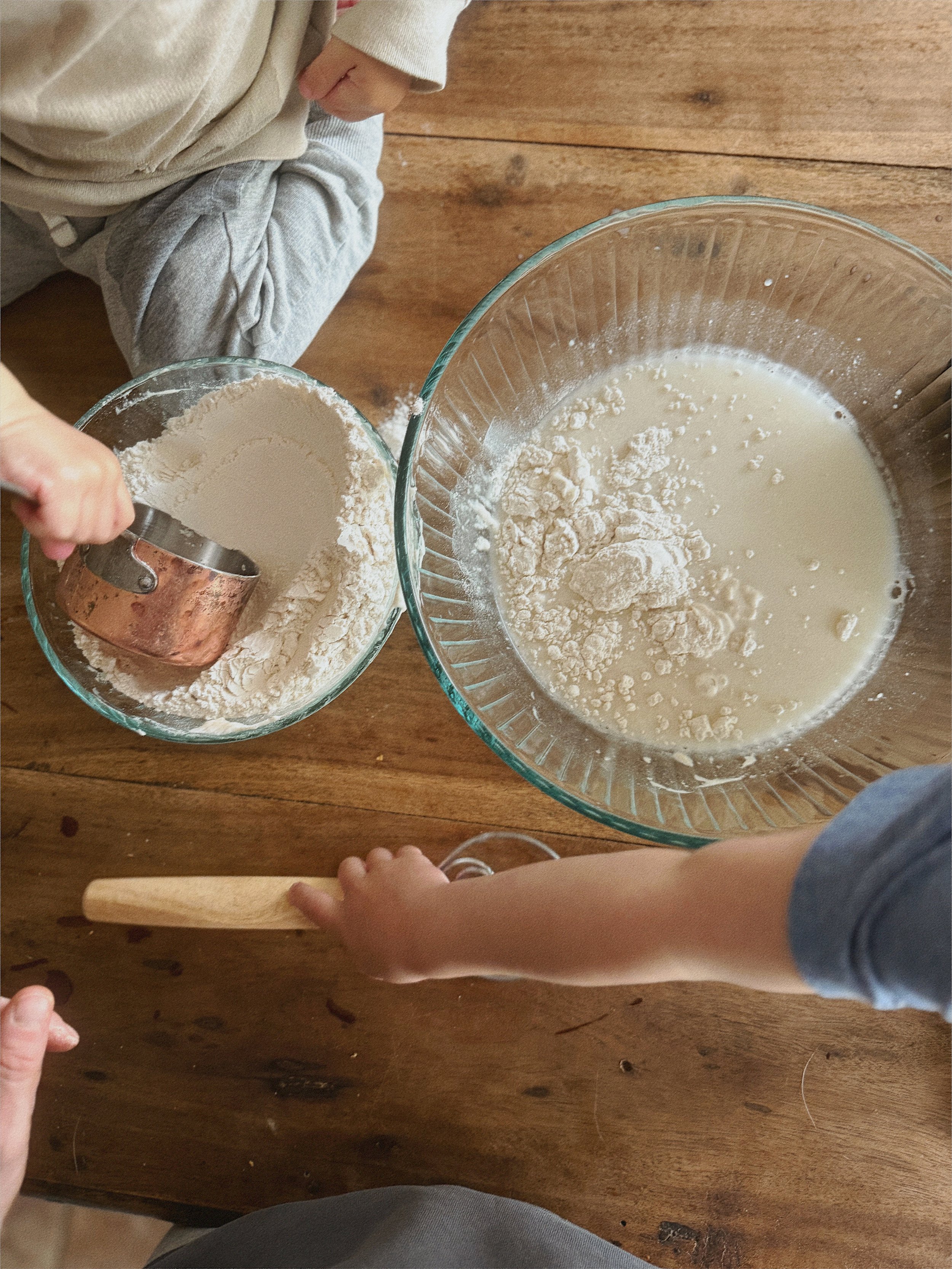
I try to bake with my kids at least once a week, if not more. Baking naturally teaches:
Measuring
Fractions
Counting
Reading
Following directions
It's a delicious learning experience that connects academics to everyday life. It also doesn't have to be specifically baking-- any type of cooking is beneficial and can become an opportunity for learning.
10. Visit Historical Sites
Many nearby historical sites are free or inexpensive.
Walking through local museums, pioneer villages, battlefields, or landmarks makes social studies come alive in a very memorable way.
11. Take Budget-Friendly Field Trips
You don't have to spend a lot of money on field trips if you are intentional about it.. there are often many free or low-cost options available in communities.
Ideas include:
Fire station
Post office
Library
Garden center
Farmer's market
Airport observation area
Fish hatchery
Any outing can become a valuable learning experience.
If you are looking for more of these ideas, search for local homeschool groups in your area to connect with other homeschooling parents.
Over the last year, I have had the opportunity to connect with a lot of homeschooling families, and I'm always learning about new events and opportunities through them. Community really is key!
12. Explore Educational Games
We are a big game family!! We love breaking out board games as a family-- and they are actually great ways to teach life skills without it feeling like a "lesson". We also love the way they foster togetherness and quality time as a family.
Look for inexpensive educational games at thrift stores that practice:
Matching
Counting
Memory
Reading
Strategy
Many are perfect for building patience and taking turns.
13. Try Open-Ended Play
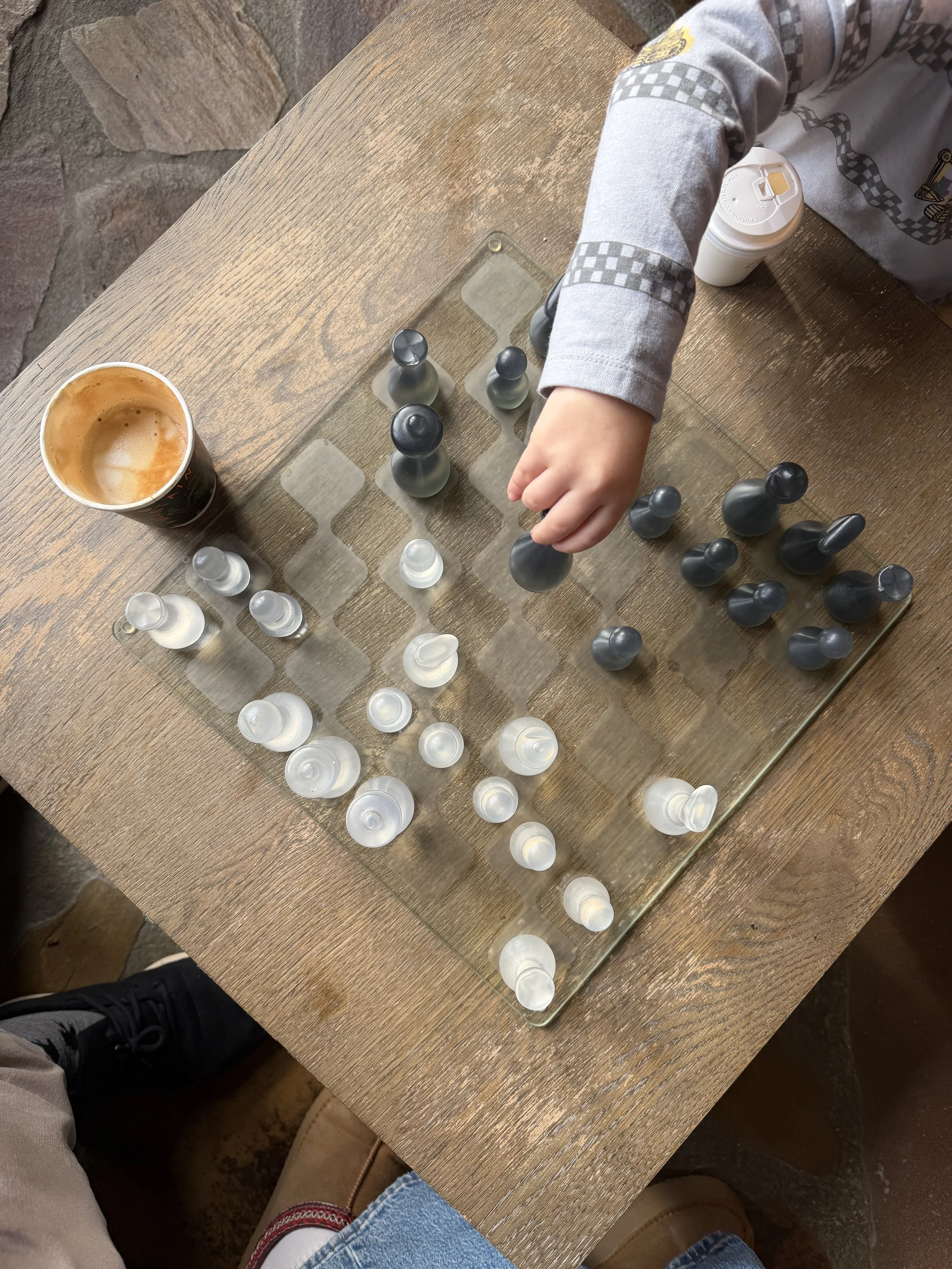
Blocks, magnetic tiles, wooden animals, and simple building materials encourage open-ended play.
There isn't one "right" answer for how they play- which actually helps children develop confidence and creativity.
14. Listen to Music Every Day
A daily music lesson doesn't require formal instruction.
Play different styles of music, learn simple rhythms, dance together, or sing favorite songs.
If you know a local music teacher, many offer inexpensive group classes for young children. Our local library also hosts weekly music and movement classes, which my kids loved when they were younger!
15. Rotate Different Activities
Instead of buying new toys, rotate what you already own.
Bringing out forgotten puzzles, blocks, or pom poms every few weeks makes everything feel new again.
16. Build a Simple Visual Schedule
Many homeschool parents find that a visual schedule helps the school day run more smoothly.
Include pictures for:
Morning routine
Story time
Math
Outside play
Lunch
Quiet time
Creative activities
Children thrive when they know what comes next.
17. Visit a National Park
If you live near a National Park, take advantage of ranger programs, junior ranger booklets, and educational displays.
It's an incredible way to combine history, geography, science, and outdoor exploration.
18. Practice Language Arts Through Everyday Life
You don't always need worksheets for language arts.
Ask your child to:
Help write a grocery list
Label drawings
Read simple signs
Sound out cereal boxes
Write letters to grandparents
play a rhyming game
Learning naturally fits into everyday routines.
19. Encourage Creative Activities
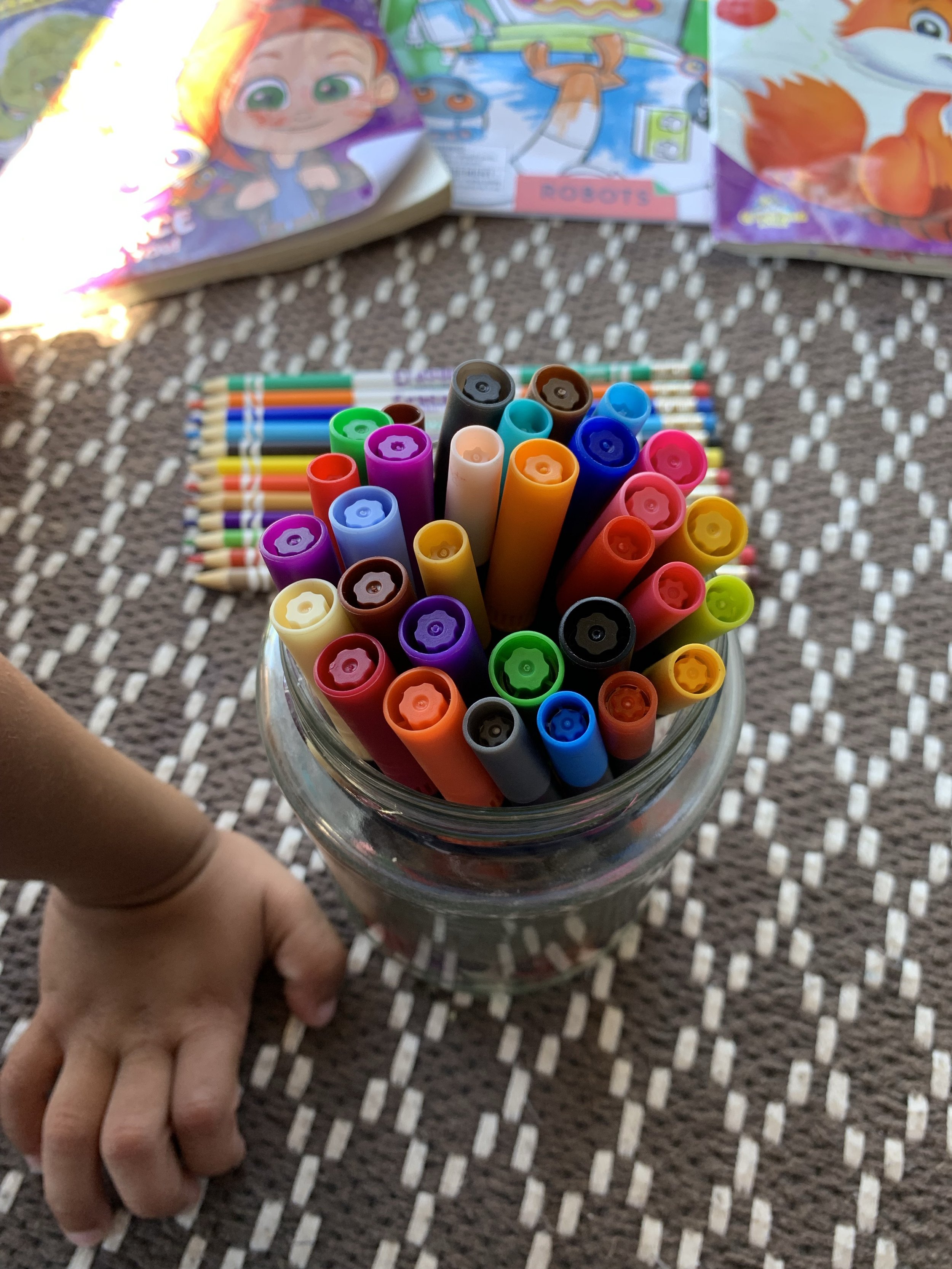
My kids know they always have access to craft materials. I keep a simple basket with:
Paper
Crayons
Tape
Glue
Scissors
Stickers
When inspiration strikes, your child has everything needed for independent creative activities.
I do have some boundaries on their creativity-- like everything needs to stay at the table and craft supplies do not go on walls or furniture 😅
20. Make Learning Personal
One of the greatest gifts of homeschooling is the ability to adapt to your child's learning style.
Some children love movement.
Others love reading.
Some prefer building.
Others enjoy drawing.
Following your child's interest creates a richer learning environment than forcing every lesson to look the same.
21. Make a book basket
We love having a themed book basket full of our family's current interests!
I usually try to plan these monthly and take into consideration any unit studies we are doing. For example, in the fall, we fill our basket full of books about leaves, apples, and pumpkins.
At Christmastime, it's full of Christmas books. They are mostly all from the library, or books I have found affordably at a thrift store.
I love that it has created seasonal favorites in our home, and certain books that my kids look forward to coming out of storage.
Repetition helps young kids strengthen comprehension, vocabulary, sequencing, and confidence. Rereading that favorite book is doing more educational work than you might realize.
22. Make a weather station
My kids have loved learning about the weather lately! We talk about whether it's sunny, rainy, windy, or cloudy.
I bought a simple weather chart off Amazon that we hang from the fridge. It has become a morning ritual of looking out the window, updating the chart, and talking about the weather.
You can also make your own weather chart with a piece of paper and some crayons!
23. Shadow Puppets
My kids have loved practicing shadow puppets before bedtime.
It is a wonderful opportunity to practice storytelling, and its fun for both older siblings and younger siblings alike.
24. Toy Washing Station
One of my kids' favorite activities lately is a homemade toy "carwash". I give them a couple of bowls of warm, soapy water, some washcloths, a toothbrush, and give them the job of washing their toys. They love giving all their favorite toys a "bath" and I was shocked at how long it kept them engaged. It was a fun way of playing with their toys in a new way.
25. Housework meets homeschooling
Last year, I read Hunt Gather Parent, and I loved it, It talks all about ancestral parenting practices from around the world.
One of my biggest takeaways was that historically, families didn't do "kid activities". Instead, they invited kids into the activities the adults were already doing.
Things like laundry, dishes, cooking, cleaning.. they are all opportunities for learning life skills, communication, teamwork, counting, etc.
Sort socks by color.
Count silverware.
Match lids to containers.
Identify a different color around the room.
Talk about patterns while folding laundry.
These small moments build important skills without extra preparation.
26. Explore Free Resources
There are countless free resources available through:
Libraries
Community events
Nature centers
Museum free days
Printable activities
Educational websites
Many communities also offer inexpensive enrichment classes throughout the new school year.
27. Follow Your Child's Pace
One of homeschooling's greatest advantages is moving at your child's pace.
If they're fascinated by insects, spend extra time studying bugs.
If they're excited about space, turn that into a week of discovery.
There is no prize for rushing into 1st grade material before they're ready.
28. Explore Maps Together
Introduce geography by looking at maps of your neighborhood, your state, the United States, or places you've visited.
Young children love finding where grandparents live or tracing road trip routes.
29. Create Simple Obstacle Courses
Indoor or outdoor obstacle courses build coordination while practicing:
Counting
Following directions
Sequencing
Balance
They're a great way to burn energy before sitting down for learning.
30. Scavenger Hunt
When my daughter was in pre-k and learning letter recognition, we started playing a letter scavenger hunt game.
I would hide magnetic alphabet letters all around the house and she would have to go find them.
Now I like doing it for other new concepts, like sight words, number recognition, or color recognition for my little guy.
31. Start a Nature Journal
Draw what you see outside each week.
Record weather, birds, flowers, or insects.
Over time, children naturally begin noticing patterns throughout the different seasons.
32. Have a Family Story Time
End your homeschool day with story time.
This quiet tradition often becomes one of the best things children remember years later.
We have had so many favorite stories over the years that create connection and memories as a family that I love.
33. Grow a home garden
Growing herbs, vegetables, or flowers introduces science, responsibility, patience, and nutrition.
Gardening naturally creates dozens of hands-on opportunities throughout the year.
In the spring, we are planting seeds. In the summer, we are watering and harvesting. In the fall, we are cleaning up the garden and raking leaves. In the winter, we are talking about rest and slowing down.
34. Build with Household Supplies
Use cups, boxes, paper towel tubes, or blocks to build towers and bridges.
Ask questions like:
Which structure is tallest?
Which one is strongest?
What happens if we change the base?
These simple engineering challenges strengthen problem-solving skills.
35. Make Time for Conversation
Some of the richest learning happens during ordinary conversations.
Talk while folding laundry.
Ask questions during lunch.
Wonder out loud together.
These moments build vocabulary, critical thinking, and confidence in a very special way.
What About Formal Curriculum?
Many families combine these activities with a structured curriculum, while others lean more toward interest-led learning.
Whether you're using a complete science curriculum, planning your own lessons, or piecing together a free homeschool curriculum, these inexpensive activities help reinforce concepts in meaningful ways.
Remember that kindergarten isn't about checking boxes. It's about developing curiosity, confidence, and joyful habits that will support learning well beyond 1st grade, into the high school years, and hopefully, beyond.
Final Thoughts
The truth is, homeschooling a 5-year-old doesn't have to be expensive.
The most valuable learning experiences often happen during ordinary moments: reading together, exploring outside, baking cookies, visiting the library, or spending an afternoon building with cardboard boxes.
Those simple experiences create a strong start to your homeschool journey while nurturing curiosity, independence, and a love of learning.
The goal isn't filling every minute of your school day with academics—it's creating a homeschool experience that fits your family, honors your child's interests, and leaves plenty of room for wonder.
Sometimes, that's the greatest lesson of all.
What are some of your family's favorite activities?
Latest on the blog