A Gentle Advent: Meaningful Daily Learning Invitations for Little Ones

Advent has shifted for us over the years. What once felt like a countdown filled with things to prepare has slowly become an invitation to slow down. In December especially, we’re more intentional about choosing activities that feel doable and rich, without asking too much of already-full days.
A gentle Advent rhythm doesn’t need to be elaborate or perfectly planned. For little ones, simple daily learning invitations — small moments of connection, creativity, and quiet wonder — are often enough. These ideas are meant to fit naturally into your homeschool days, offering meaning without pressure.
What a Gentle Advent Looks Like in Our Home
Rather than assigning a task for every day, we think in terms of invitations. Some days we follow them. Some days we don’t. The goal isn’t perfection, but presence.
Our Advent rhythm often includes:
A short story or picture book
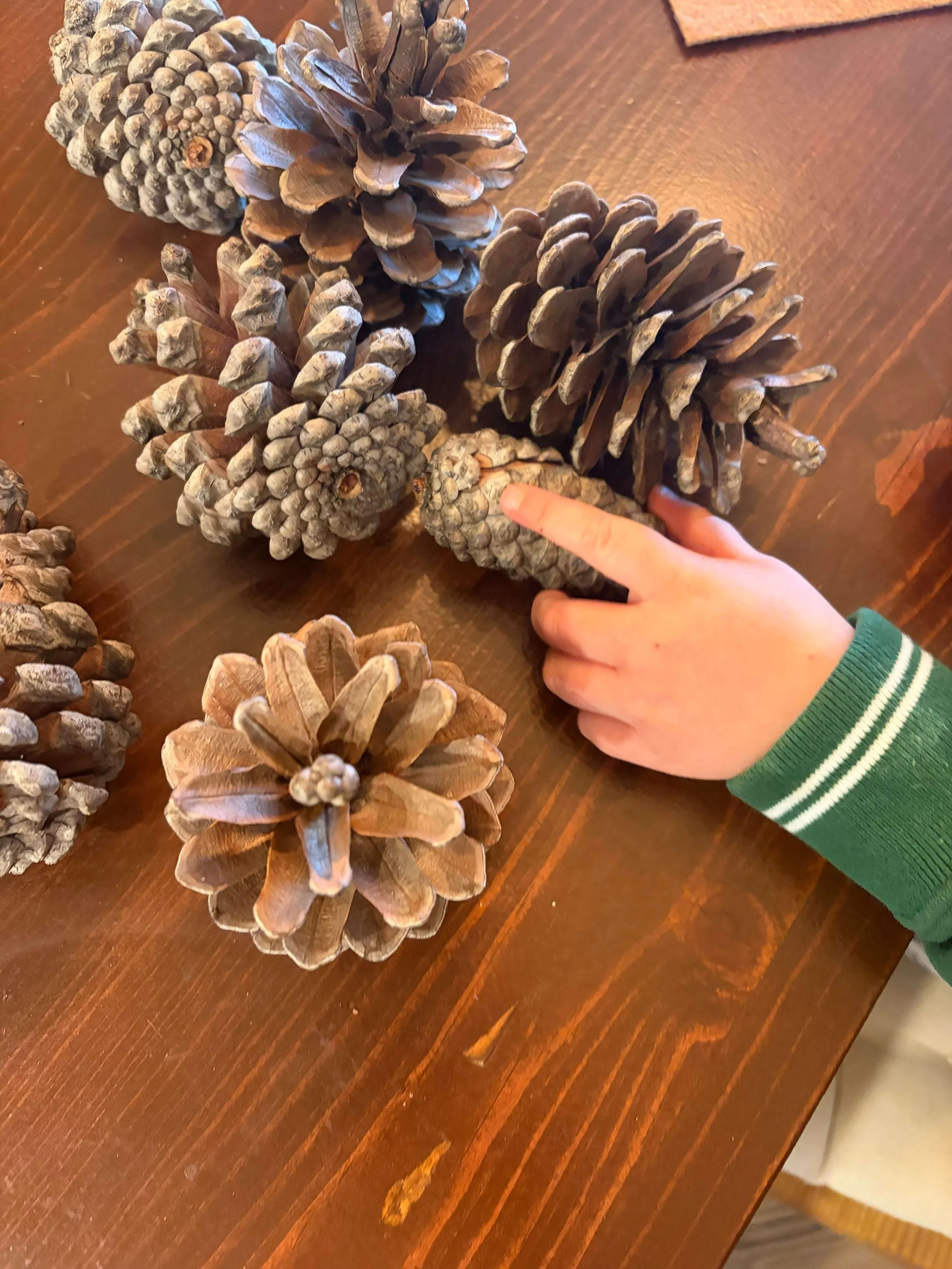
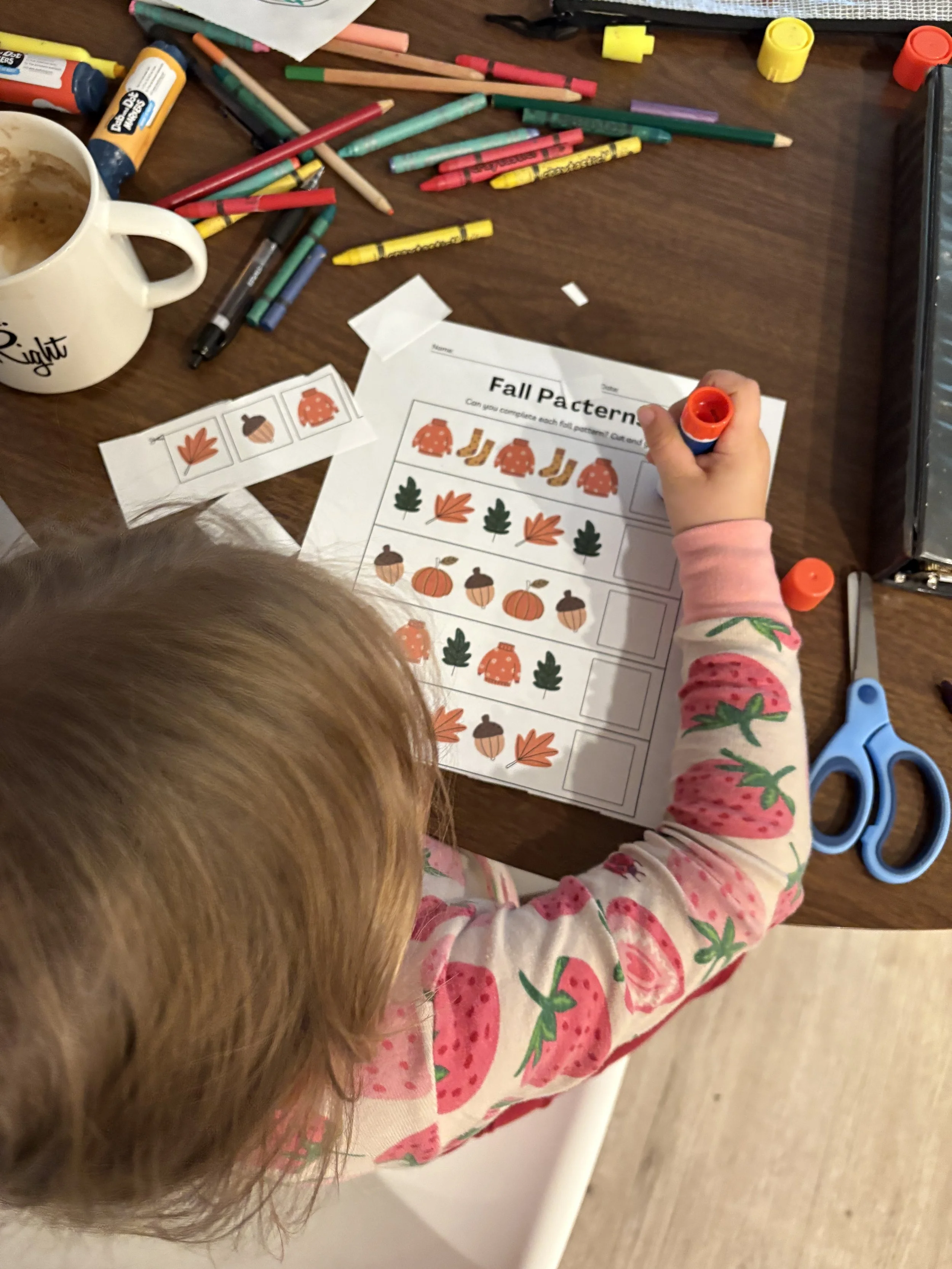
One hands-on invitation
Time outside, even if it’s brief
A moment of quiet connection — a candle, a song, a shared pause
Advent has slowly become an invitation to slow down. If you’re wanting to learn more, this overview of what Advent is and why it’s observed offers helpful context.
This same approach pairs beautifully with the slower seasonal rhythm we talk about in Simple Christmas Homeschool Activities to Bring Cozy Learning Home.
Why Learning Invitations Work So Well for Little Ones
Young children learn best through play, repetition, and meaningful experiences. Learning invitations honor this by offering an activity and allowing children to engage in their own way.
Some days that looks like five focused minutes. Other days it turns into extended play. Both count.
Learning invitations align naturally with how children develop. This overview of how young children learn through play explains why open-ended experiences are so effective in early years learning.
If you’re homeschooling preschoolers, you may also find alignment between this approach and the philosophies explored in What Is Your Homeschooling Style?.
Simple Advent Learning Invitations to Rotate Through December
You don’t need 25 different ideas. A small collection of repeatable invitations works just as well (and makes it easier and more enjoyable for us too!).
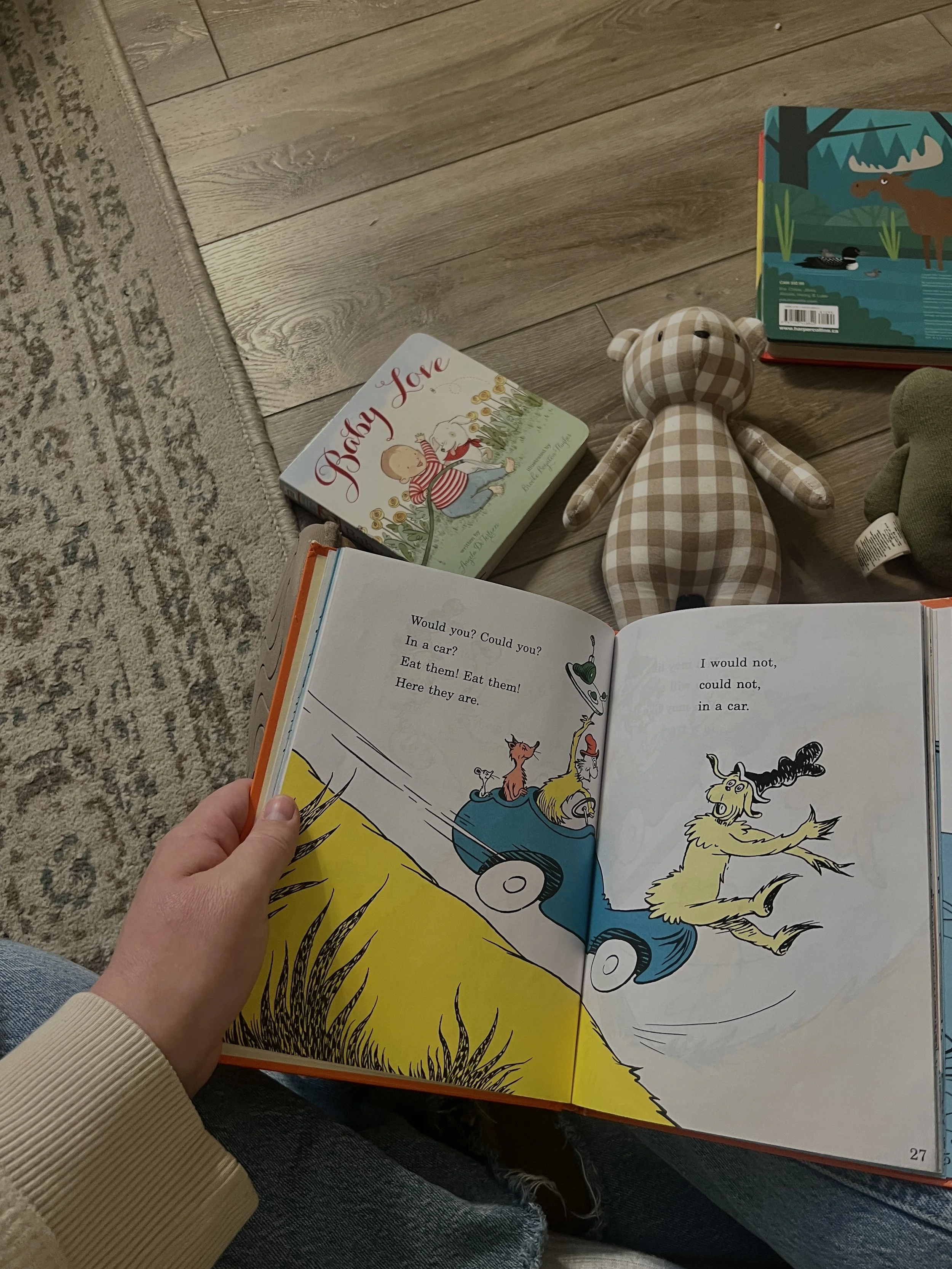
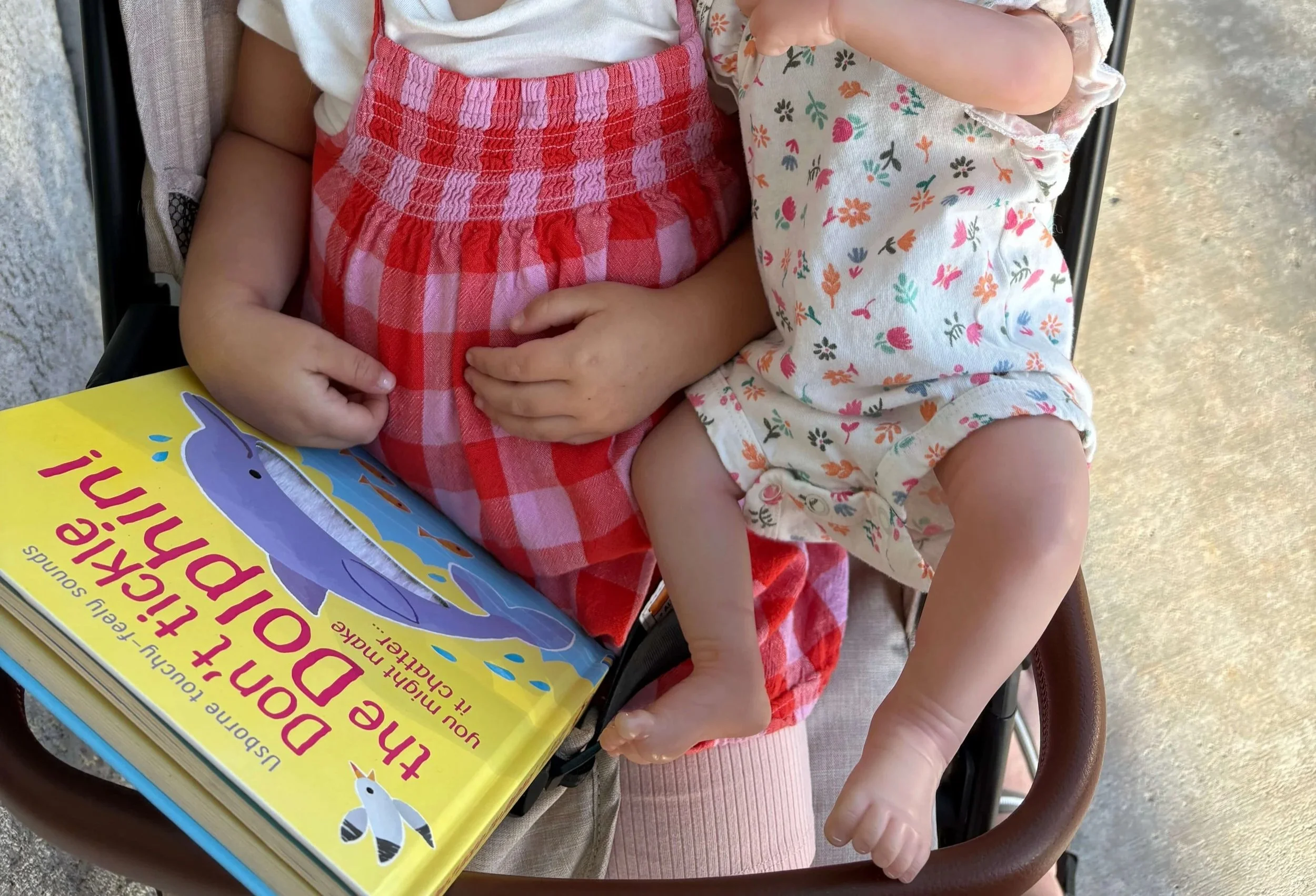
1. Advent Read-Aloud Time
Choose one or two picture books to read throughout Advent. Read them slowly, revisit favorites, and allow children to interrupt with questions or observations.
This pairs beautifully with a cozy basket of seasonal reads like those shared in The Best Christmas Picture Books for a Cozy Winter Read-Aloud Basket.
2. Nature Walks With Seasonal Noticing
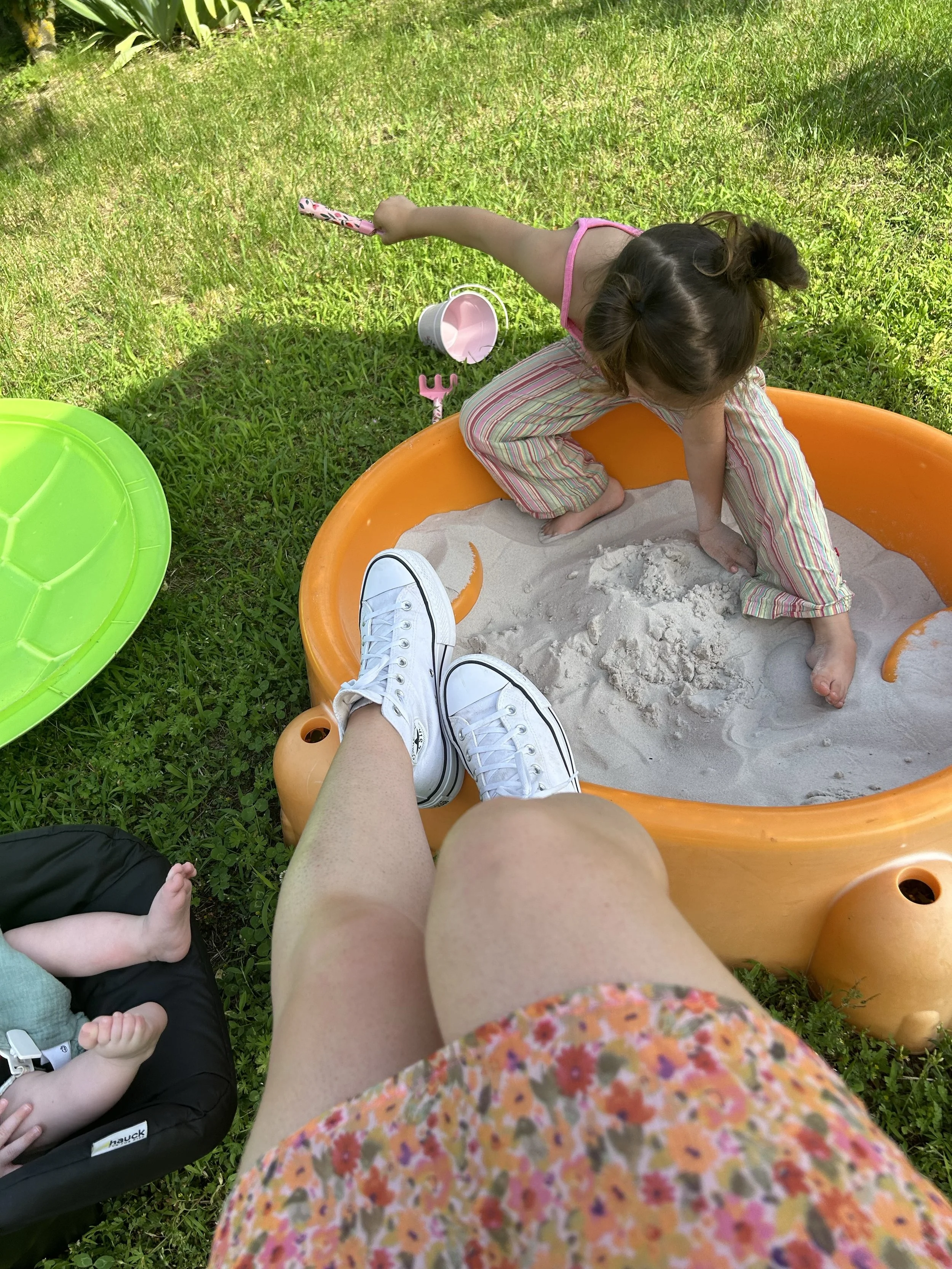
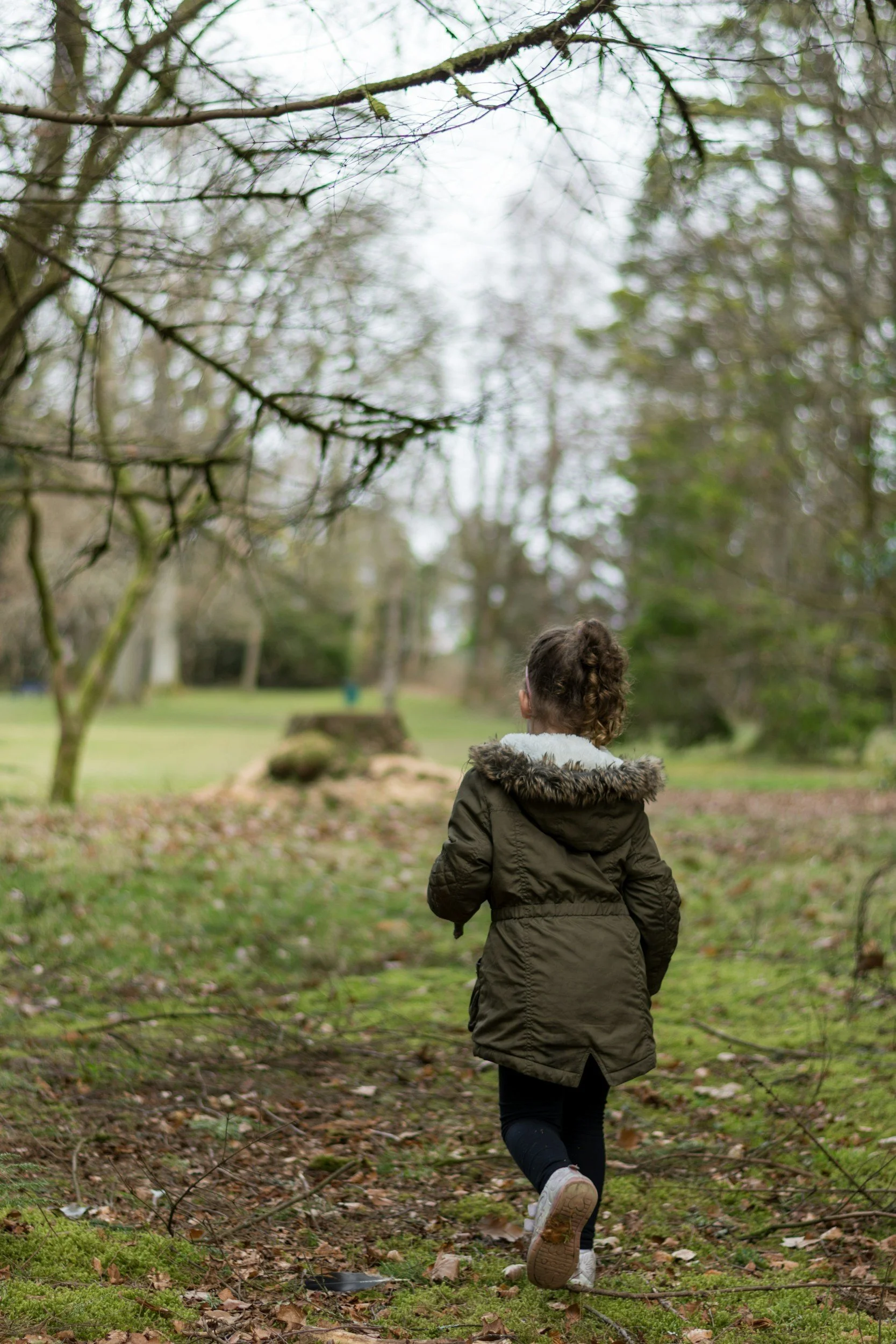
A short daily walk can become an Advent ritual. Notice how the light changes, listen for winter birds, or collect small natural items.
This idea draws from the same gentle, observational practice we share in Charlotte Mason-inspired nature walk ideas.
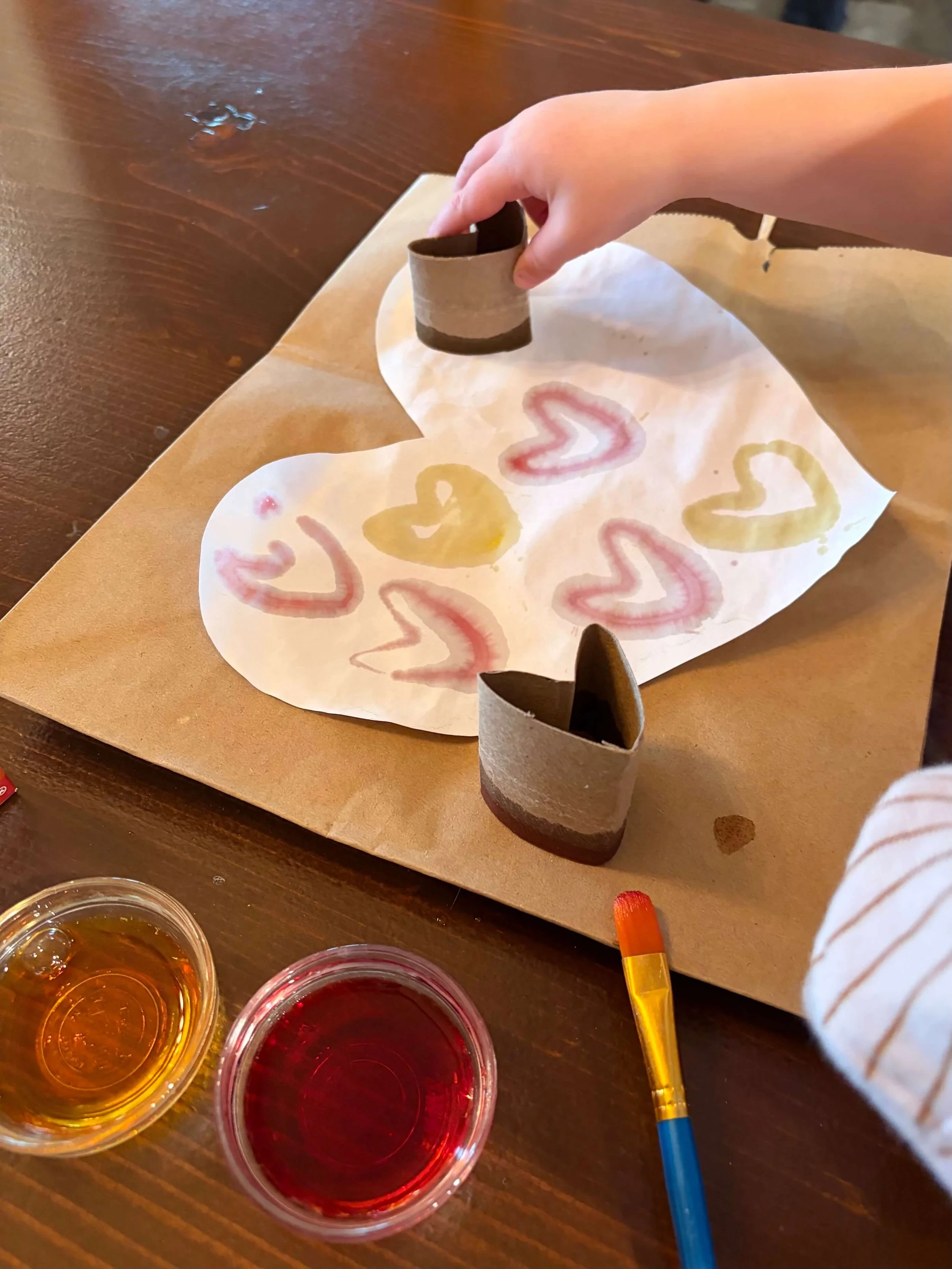
3. Open-Ended Art Invitations
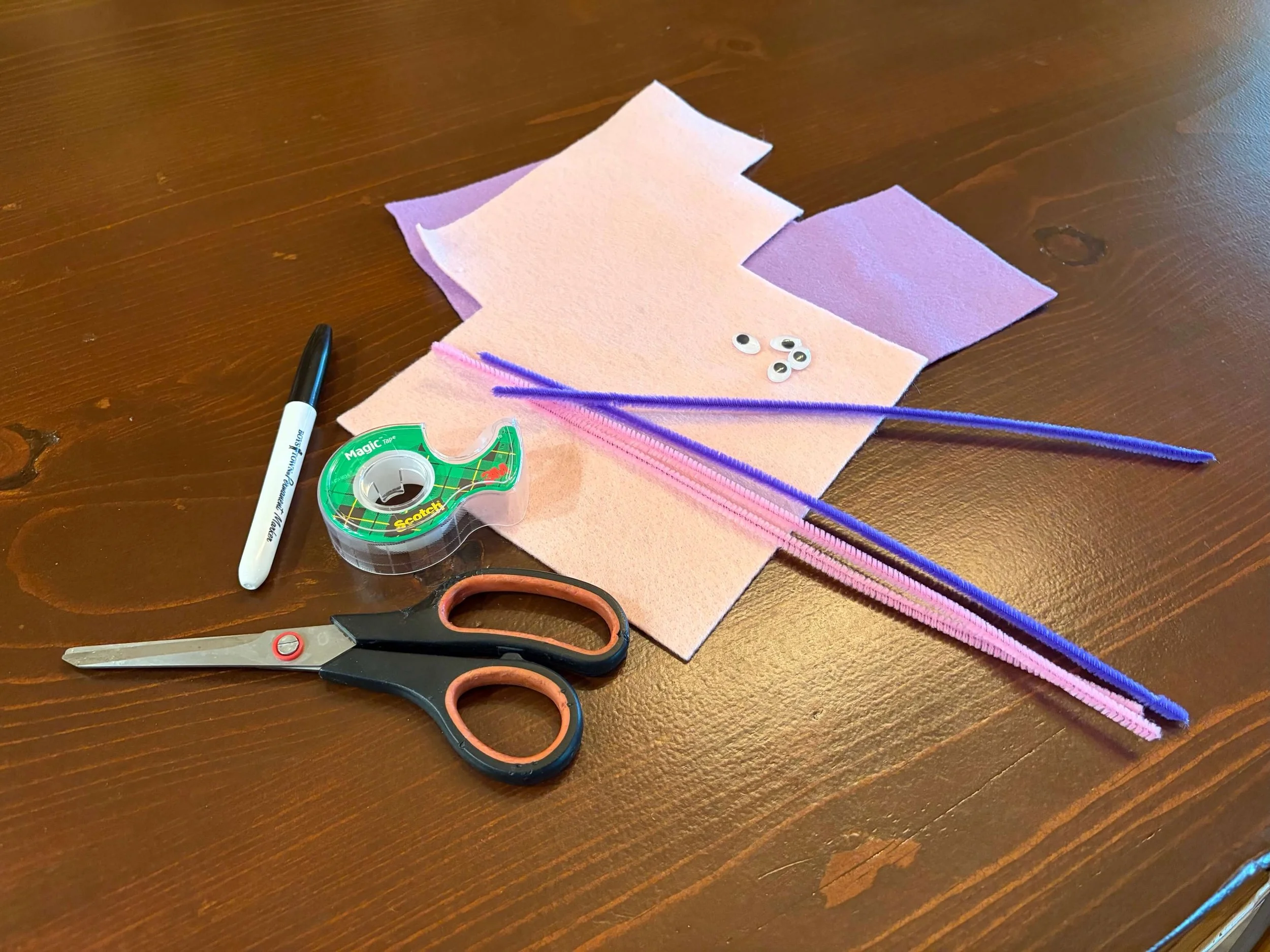
Set out simple materials — paper, crayons, watercolor paints — and allow children to create freely. Some days they’ll make something “Christmas-themed,” and some days they won’t — and that’s perfectly fine!
4. Quiet Practical Life Moments
Advent is a wonderful time to invite little ones into everyday rhythms:
Stirring batter
Folding napkins
Wiping the table after a meal
These small acts build confidence and a sense of belonging, especially when days feel busy.
5. One Song, One Candle, One Moment
Lighting a candle during morning time can become a grounding Advent tradition. Pair it with a simple seasonal song or short passage.
Even a minute or two can shift the tone of the day.

Keeping Advent Simple and Sustainable
A gentle Advent doesn’t ask you to show up perfectly — it asks you to show up honestly.
A few reminders we come back to:
Repetition is comforting for young children
Skipping a day doesn’t break the rhythm
Simple, familiar activities are often the most meaningful
Final Thoughts
Advent can be a season of invitation. Through simple daily learning moments — a book, a walk, a song — children experience the quiet anticipation of the season.
These gentle rhythms don’t require extra planning or supplies. They meet little ones where they are and allow learning to unfold naturally, holding space for wonder along the way.
Latest on the blog