How to Create a Montessori House for Homeschooling

When I first started thinking about homeschooling, I knew I wanted our days at home to feel a little different.
I wanted our home to be a place where my children could help in the kitchen, spend hours looking at books, explore the backyard, care for our things, ask a million questions, and have plenty of time to follow their own interests.
That's one of the reasons I've been drawn to the Montessori method.
With a four-year-old and a one-year-old, we're just beginning our homeschool journey for the first time. This year, we're starting preschool at home, and I'm learning right alongside my children what it looks like to bring Montessori principles into our everyday life.
I was overwhelmed at first trying to figure out how to recreate an entire Montessori Preschool in our living room...but I quickly realized that a Montessori house doesn't have to be complicated.
You don't need hundreds of Montessori materials.
You don't need a perfectly minimalist house.
And you certainly don't need to have everything figured out before you begin.
Instead, creating a Montessori house is about thoughtfully preparing your home so your children can participate in family life, develop independence, explore their natural curiosity, and learn at their own pace.
Here's what that can actually look like in a real home.
What Is a Montessori House?
Before we get into the practical side of creating one, it helps to understand what we mean by a Montessori house.
The Montessori method was developed by Dr. Maria Montessori, an Italian physician and educator who believed deeply in children's ability to learn through hands-on experiences and purposeful work.
Rather than viewing children as passive recipients of information, Dr. Montessori recognized them as active participants in their own learning.
A major part of the Montessori approach is the prepared environment.
The environment is intentionally arranged to give children opportunities to move, explore, make choices, practice skills, and gradually become more independent. Montessori schools are a great example of this.
And you can create a prepared environment at home, too.
And for me, that's where Montessori and homeschooling fit together so naturally.
You Don't Need a Full-Blown Montessori Classroom at Home
One of the easiest traps to fall into when you're researching Montessori is thinking you need to buy everything.
The beautiful shelves.
The wooden materials.
The child-sized furniture.
The carefully arranged trays.
The tiny pitchers.
The baskets.
It's all very tempting.
And some of those things can absolutely be useful.
But a Montessori home isn't created by buying a particular collection of products.
The goal is to create a Montessori environment that supports your child.
That might mean putting a small pitcher on a low shelf so your child can pour their own water.
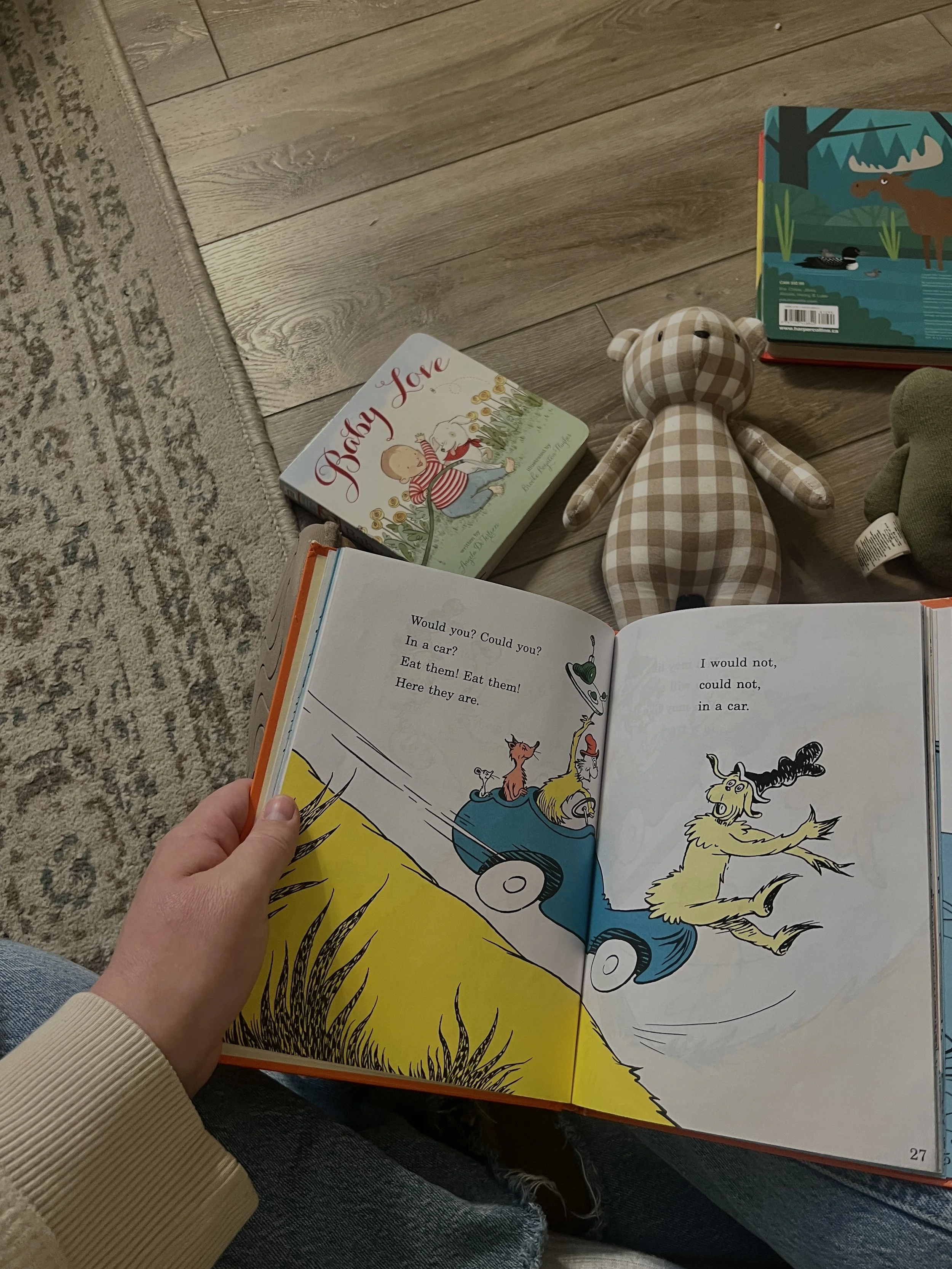
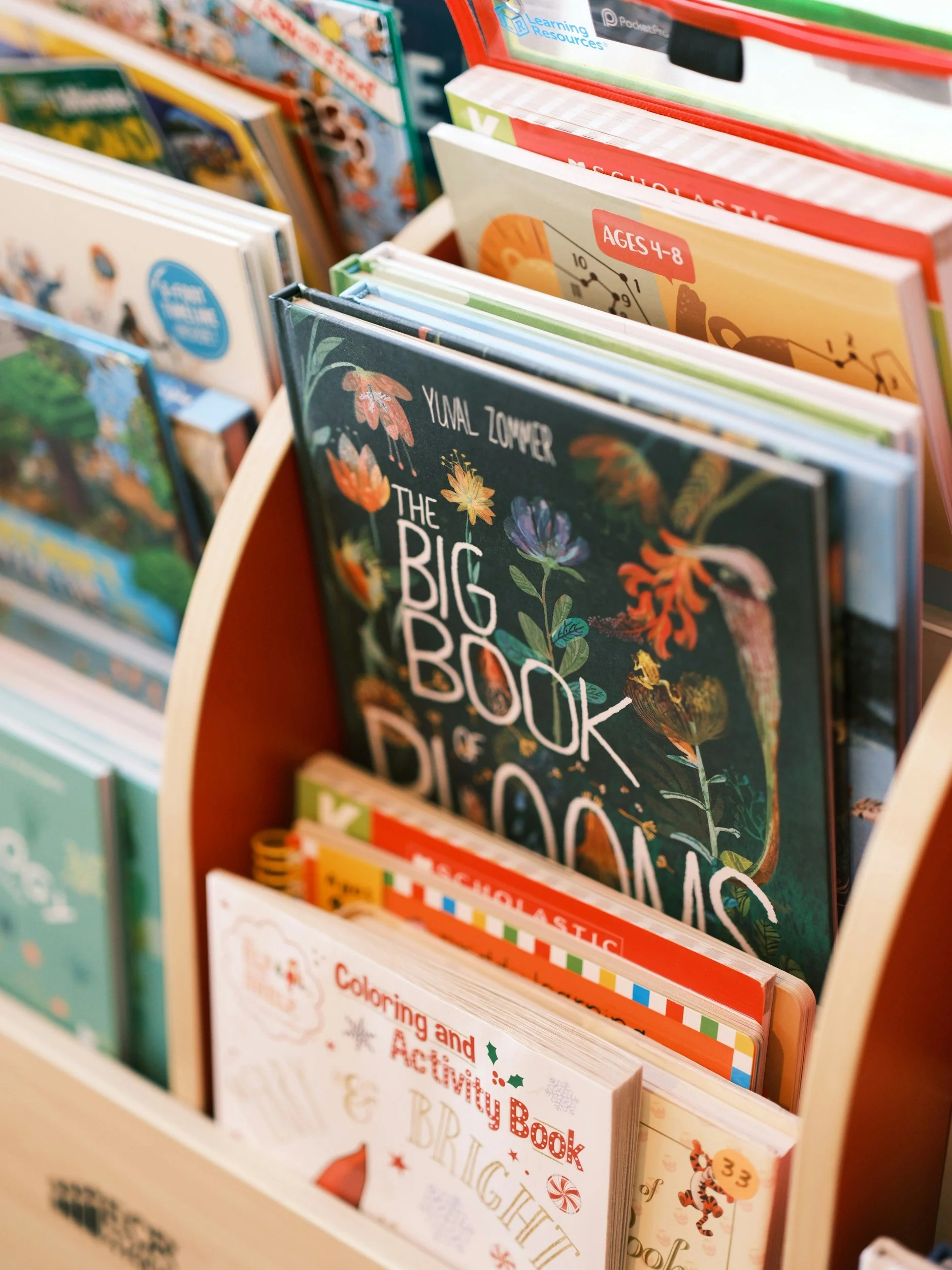
It might mean placing a basket of books somewhere your child can easily reach.
It might mean giving your preschooler a small dustpan and brush so she can clean up after herself.
It might mean putting a hook at child height so she can hang up her coat.
Or it might simply mean slowing down enough to let your child try something independently, even when you know you could do it much faster.
That's the part of Montessori that I find most meaningful.
If you're just getting started with homeschooling and aren't sure where to begin, this list of 30+ free homeschool resources is a great place to start.
Start With Independence
If I had to choose one place to begin creating a Montessori house, it would be independence.
Children want to do things for themselves.
Anyone who has ever heard a toddler insist, "I do it!" knows this.
Instead of automatically doing everything for them, we can look for ways to make our homes accessible enough that children can participate.
For a preschooler, that might look like:
Choosing clothes from an accessible drawer
Getting dressed independently
Putting shoes away
Pouring water
Preparing a simple snack
Setting the table
Clearing their plate
Helping with laundry
Watering plants
Feeding a pet
Cleaning up spills
Sweeping the floor
Putting toys away
For my one-year-old, independent learning looks very different.
She isn't ready to make her own lunch, but she can begin putting toys into a basket. She can help carry something to the table. She can practice using a spoon. She can explore her building blocks and discover what happens when they’re stacked just a little too crooked.
The point isn't that every child needs to be doing the same things at the same age.
The point is to look at your own child and ask:
What can I make possible for them to do themselves?
That's where the Montessori idea of following the child becomes so helpful.
Make Your Home Accessible to Your Children
A prepared environment doesn't have to be elaborate.
Often, it simply means bringing a few things down to your child's level.
Think about the things your child uses every day.
Can they reach them?
Do they know where they belong?
Can they put them away?
Can they participate without having to ask you for help every time?
A few simple changes and an inviting atmosphere can make a surprisingly big difference.
A place for their things
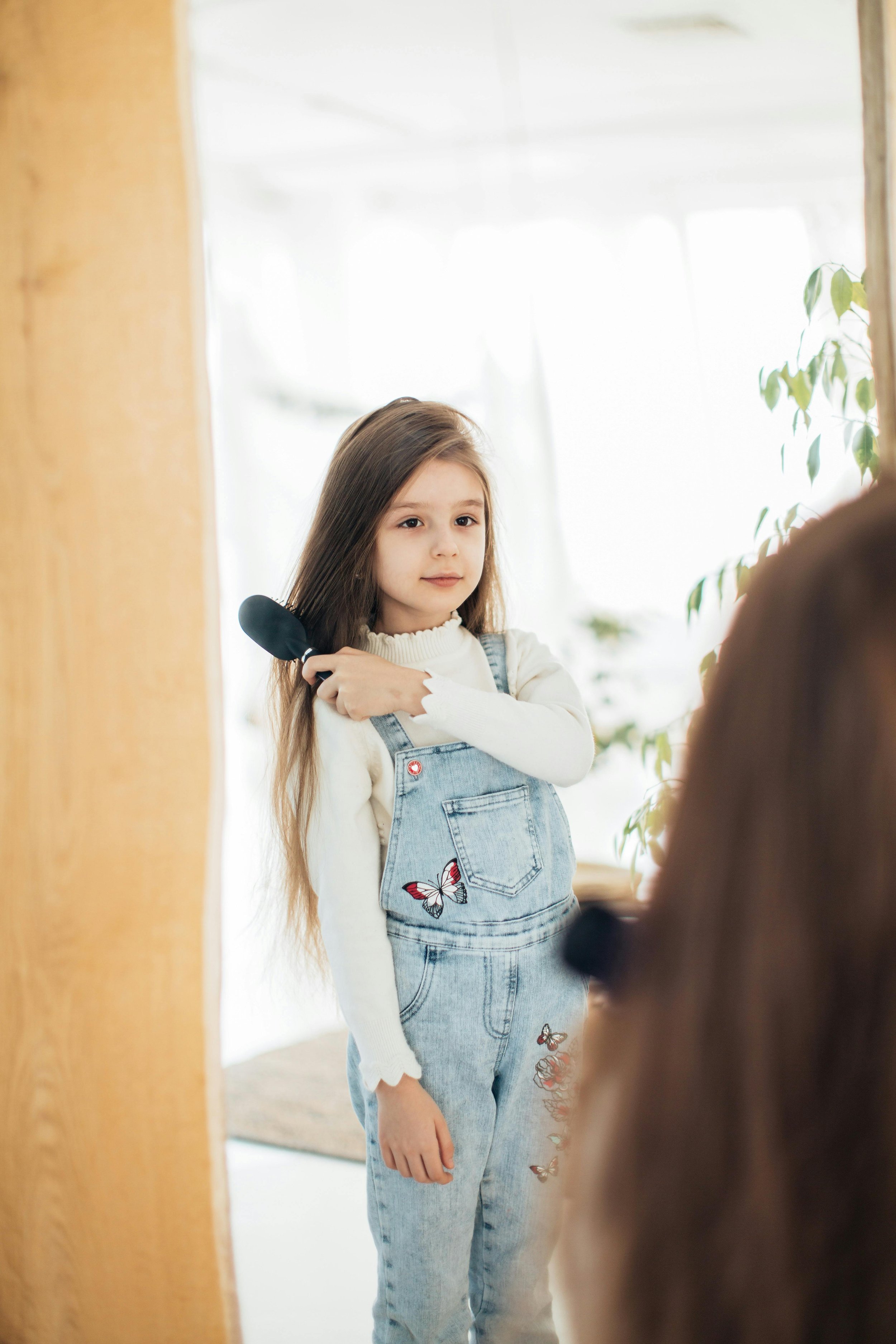
Give your child a consistent place for shoes, coats, backpacks, and other everyday belongings.
A few low hooks can be incredibly helpful.
Accessible clothing
Instead of giving your child an entire closet to choose from, you can keep a small selection of weather-appropriate clothes where they can reach them.
If you don't already have a spot in your home where your child can easily access their clothes, this is the little rack we use in our home.
A child-friendly kitchen
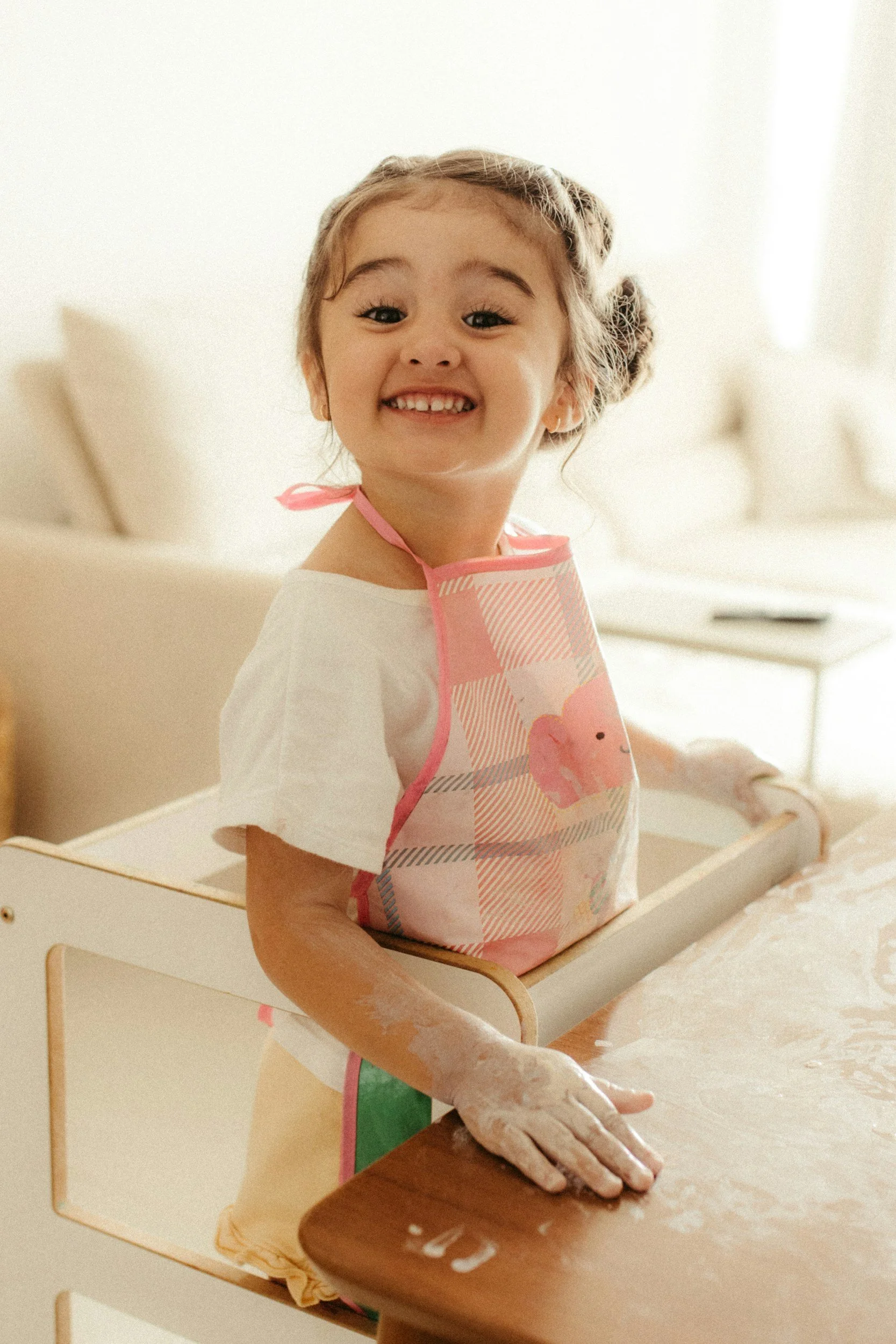
A learning tower or sturdy step stool can give a young child a safe way to participate while you're working in the kitchen.
You can also keep a few child-friendly dishes, cups, and utensils somewhere they can access them.
A place to work
Your child doesn't necessarily need a traditional desk.
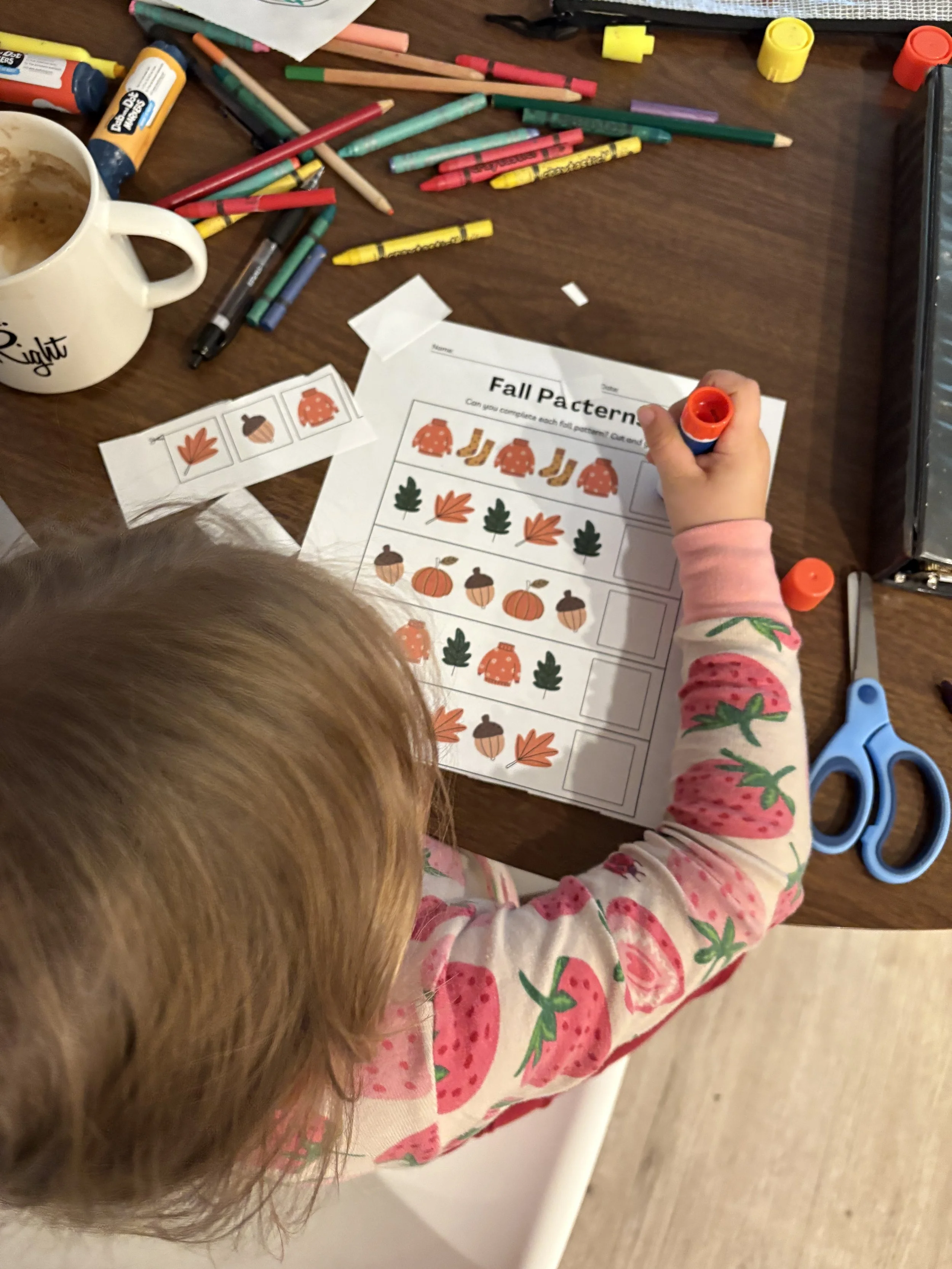
A small table and chair can become a place for drawing, puzzles, reading, practical life activities, or focused work. We have a space at our kitchen table that my daughter uses.
Low shelves
A low shelf gives children the opportunity to see their choices and return materials when they're finished.
It also helps keep the environment from becoming overwhelming.
Even one small shelf or lower cabinet can be enough.
Keep the Environment Simple
One thing I love about Montessori is the emphasis on simplicity.
Children don't need to have access to every toy and activity they own at the same time.
In fact, too many choices can make it harder for a child to settle into meaningful play.
Instead of putting every toy in the house into one giant toy box, consider offering a smaller selection.
You might have:
A few puzzles
A basket of books
Building materials
A simple art area
A basket of animals or figures
A few favorite toys
Then rotate things as your child's interests change.
This doesn't mean you need to constantly create Pinterest-worthy shelves.
Sometimes rotation simply means putting away the things your child hasn't touched in months and bringing something different back out.
Don't Forget Practical Life
If you're new to Montessori, practical life might be one of the easiest areas to incorporate into your homeschool.
Practical life simply means the everyday activities that help children learn how to care for themselves, their environment, and the people around them.
And the best part?
You already have everything you need.
Children can:
Wash fruit
Pour water
Stir ingredients
Fold napkins
Wipe a table
Sweep
Dust
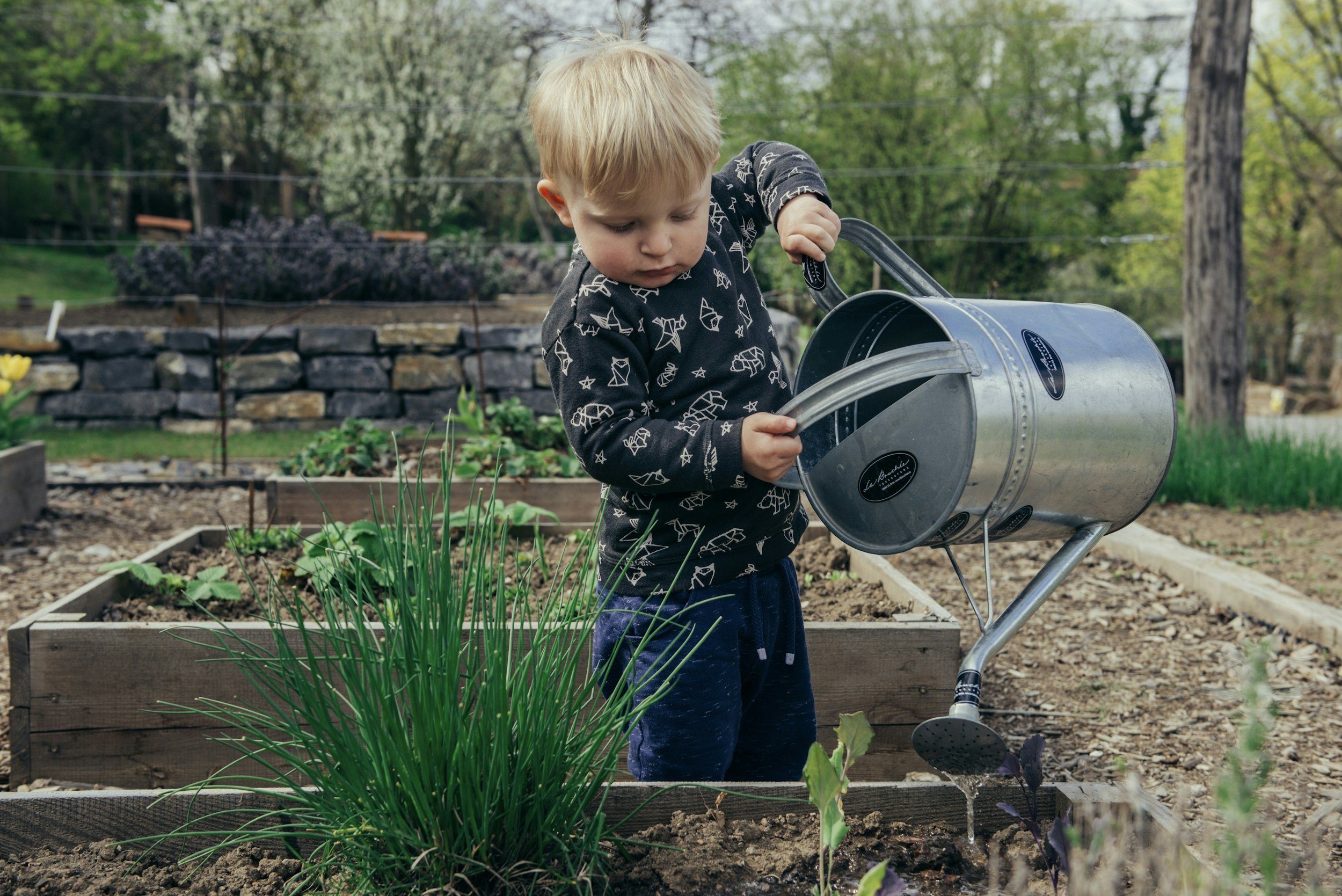
Water plants
Wash dishes
Sort laundry
Button clothing
Practice zippers
Care for animals
Help in the garden
These activities may not look like traditional schoolwork, but they're full of learning.
A child is developing coordination, concentration, sequencing, independence, language, and problem-solving skills.
They're also learning something even bigger:
I am capable. I have a place here. I can contribute to my family.
I think that's a beautiful lesson.
Want to create more spaces in your home that encourage independence? Take a look at my guide to creating a Montessori self-care space that actually gets used.
Let Your Home Be Part of the Curriculum
One of my favorite things about homeschooling is that our entire life doesn't have to be divided into "learning time" and "non-learning time."
Cooking is learning.
Gardening is learning.
Going for a walk is learning.
Reading together is learning.
Building a fort is learning.
Watching ants carry food across the sidewalk is learning.
Asking why the moon changes shape is learning.
Helping Dad fix something is learning.
A Montessori homeschool can embrace this beautifully because the Montessori philosophy recognizes that children learn through real experiences.
Instead of constantly asking, "What lesson should I teach today?" we can sometimes ask:
What is my child interested in right now, and how can I give them an opportunity to explore it?
Follow Your Child's Natural Curiosity
This doesn't mean letting your child run the entire homeschool.
There will still be things we intentionally introduce.
But there's a big difference between guiding a child and constantly directing them.
If your child is fascinated by birds, read bird books.
Go outside and look for birds.
Learn their names.
Draw one.
Make a bird feeder.
Count how many you see.
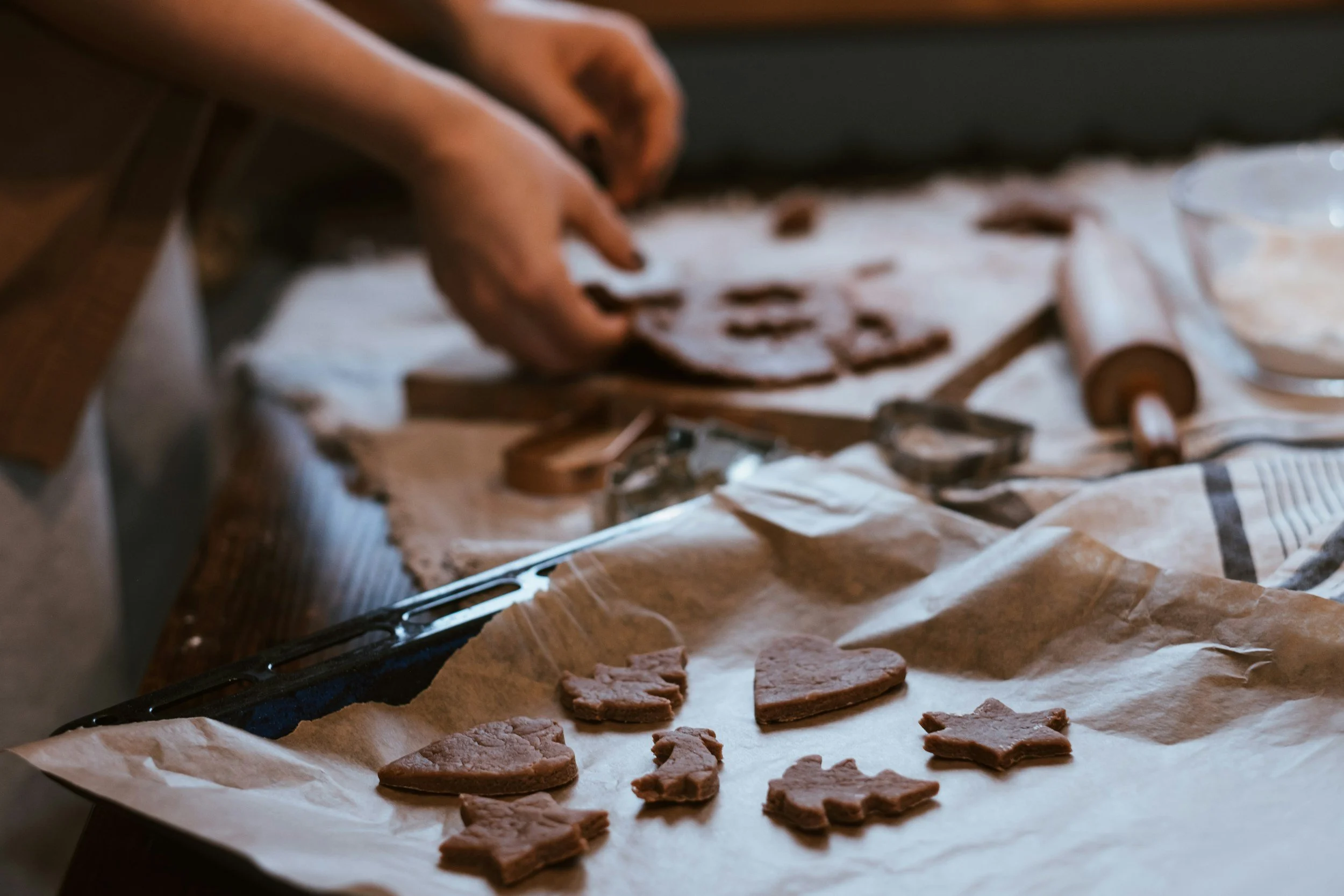
If your child loves baking, let them help measure ingredients.
If they're interested in insects, bring a magnifying glass outside.
If they're obsessed with construction vehicles, read about how roads are made.
Their interests can become incredible learning experiences.
This is one of the reasons I love homeschooling.
We don't have to rush past a child's fascination because the next lesson is scheduled to begin.
We can stay there for a while.
Let Children Work at Their Own Pace
Every child is a unique individual who develops differently.
One child may become fascinated with letters at four. Another may be much more interested in numbers. One may spend an hour carefully completing a puzzle while another would rather spend that same hour outside collecting rocks.
That doesn't mean one child is learning more than the other.
They're unique individuals.
Montessori education places a lot of value on allowing children to work at their own pace, and I think this is particularly beautiful when paired with homeschooling.
We have the freedom to slow down.
We can spend another week on something that isn't quite clicking.
We can move ahead when a child is ready.
We can pause formal lessons when everyone needs a break.
And we can remember that childhood isn't a race toward the next milestone.
Make Room for Movement
Young children aren't designed to sit still for hours.
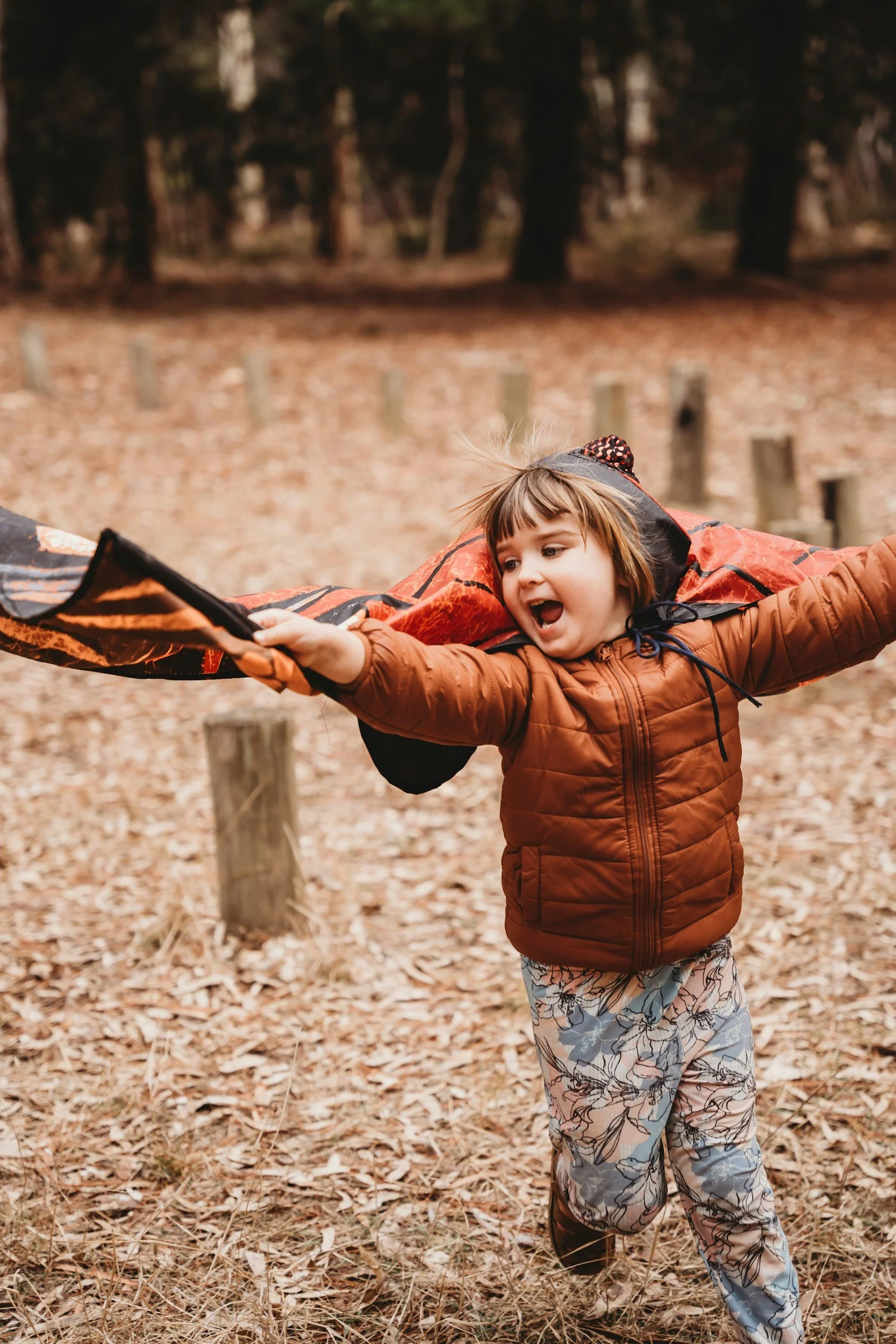
Movement is a huge part of early childhood, and a Montessori environment gives children opportunities to move with purpose.
Let them carry things.
Let them sweep.
Let them garden.
Let them walk outside.
Let them build.
Let them climb safely.
Let them dance.
Let them work with their hands.
And when possible, allow your child to choose a comfortable position for focused work.
Bring Nature Into Your Montessori House
This is probably one of the easiest things to incorporate into a Montessori homeschool, and it's one of the parts I love most.
Bring pieces of the natural world into your home.
A small vase of flowers.
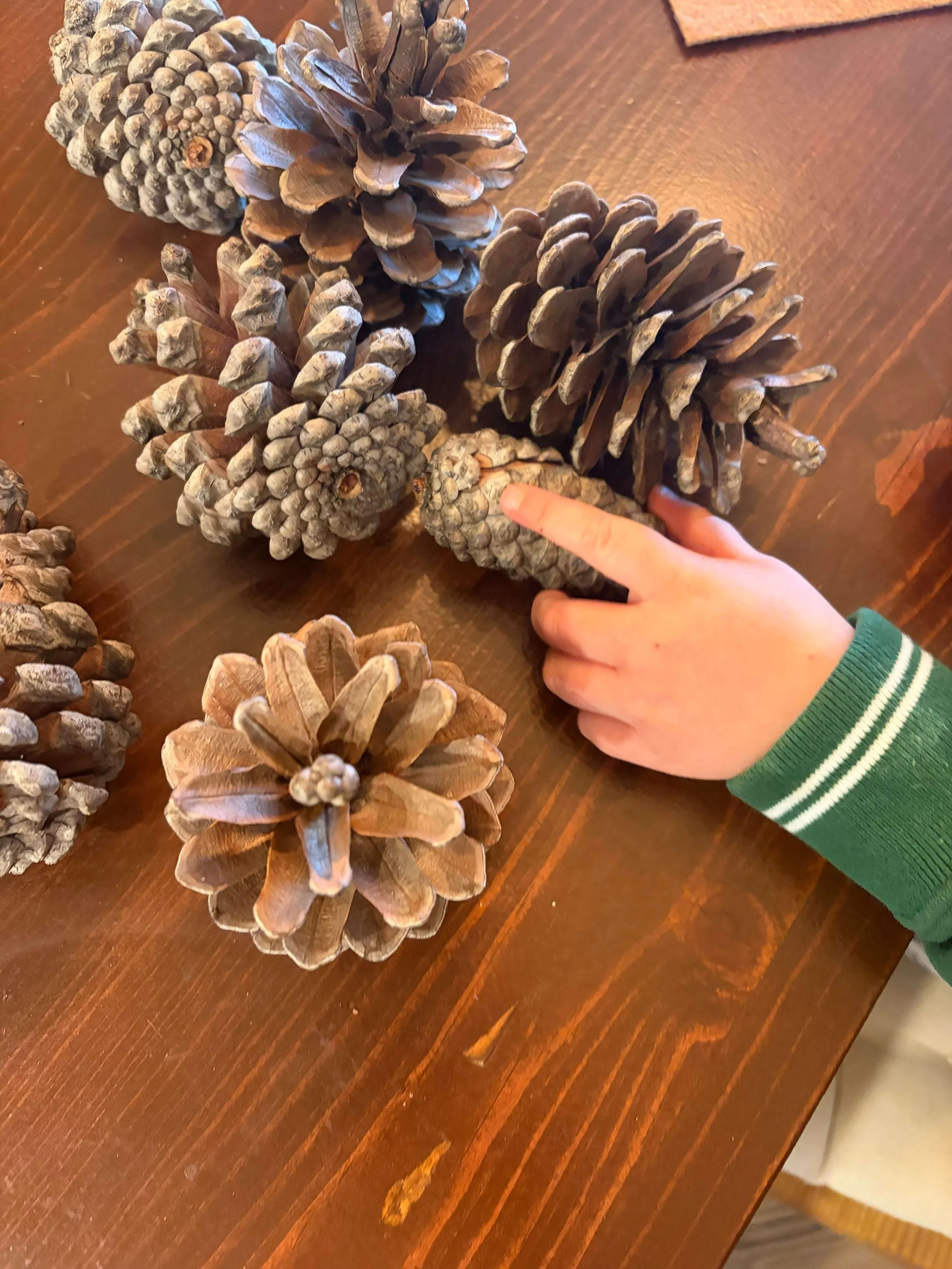
Pinecones.
Rocks.
Leaves.
Shells.
Acorns.
A little nature shelf can become a changing collection throughout the year.
You don't need elaborate science materials to encourage curiosity about the natural world.
Go outside.
Look closely.
Ask questions.
Let your children wonder.
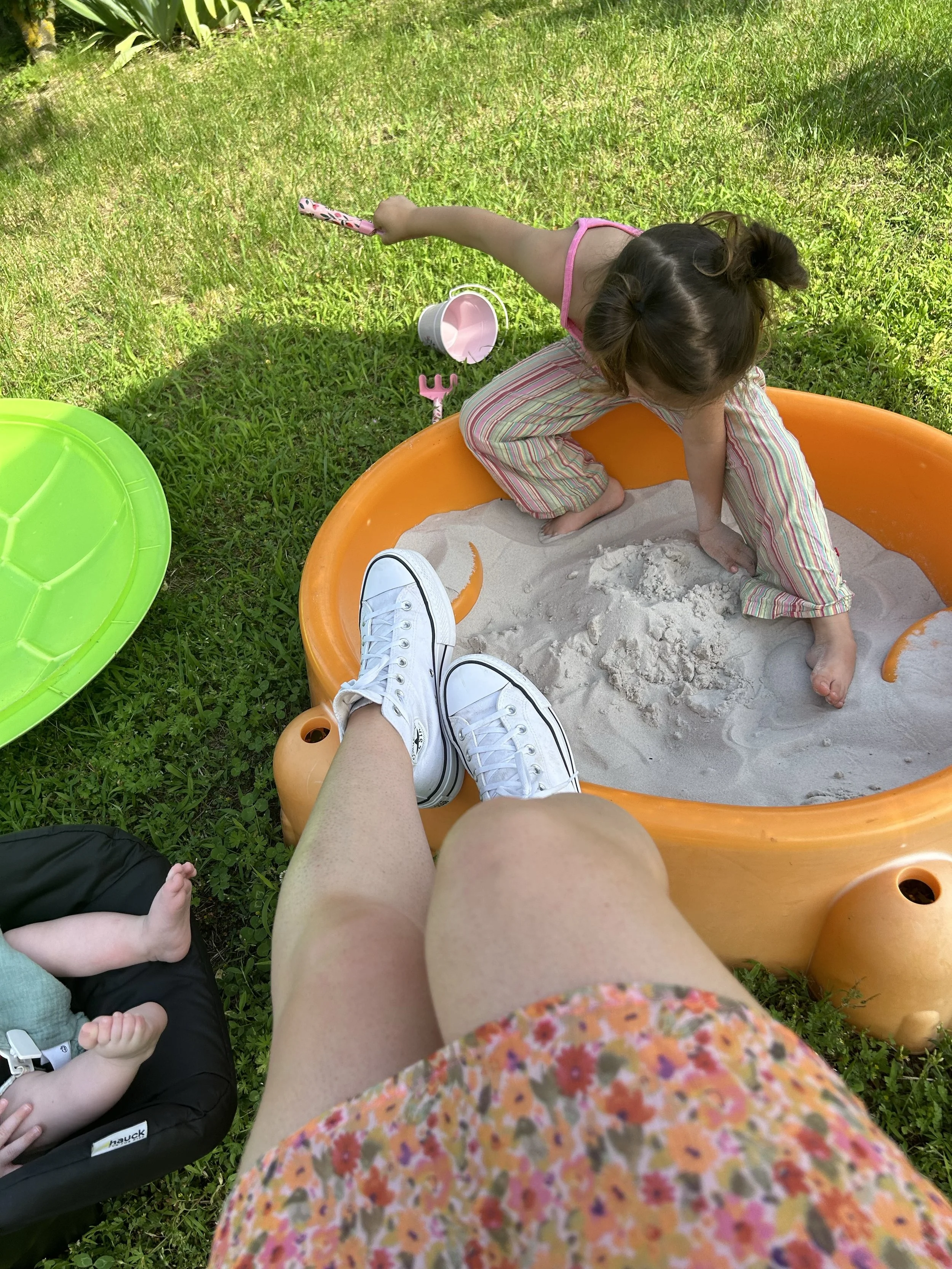
The backyard can be a classroom without ever feeling like one.
You Don't Need a Dedicated Homeschool Room
If you have a beautiful homeschool room, wonderful.
If you don't, that's wonderful, too.
A Montessori homeschool can live in the kitchen.
It can live in the living room.
It can be a shelf in the dining room and a basket of books beside the couch.
It can be a small table in a bedroom.
It can be a backpack of supplies that comes out when you need it.
Don't let the lack of a dedicated room convince you that you can't homeschool beautifully.
Some of our best learning experiences may happen nowhere near a desk.
What I Want Our Montessori Homeschool to Feel Like
As we begin our own preschool homeschool, I'm less concerned with whether our home looks perfectly Montessori and much more concerned with how it feels.
I want to create a nurturing environment that feels warm.
I want it to feel peaceful.
I want my girls to feel safe asking questions.
I want them to know that their ideas matter.
I want them to have opportunities to try things for themselves.
I want them to spend plenty of time outside.
I want books to be everywhere.
I want our home to be filled with meaningful conversations.
Most of all, I want our homeschool to nurture the whole child.
Not just the child who can read early or count to 100.
The whole person.
Their curiosity.
Their confidence.
Their creativity.
Their kindness.
Their independence.
Their ability to solve problems.
Their relationship with nature.
Their relationship with other people.
And their understanding that learning isn't something that ends when the school day is over.
You Don't Have to Do Montessori Perfectly
This might be the most important thing I can say.
You don't have to do Montessori perfectly.
You don't have to follow every Montessori learning principle.
You don't need a picture-perfect Montessori Children's House
Take what resonates with your family.
Start small.
Put a few books where your child can reach them.
Give them a little responsibility.
Move a few things down to their level.
Invite them into the kitchen.
Spend more time outside.
Observe what they're interested in.
Give them time to work.
Then see what happens.
A Montessori house isn't really about the things inside it.
It's about creating an environment where children are trusted, respected, included, and given opportunities to grow.
And honestly, that is one of the things I love most about homeschooling.
We get to create that environment together.
A Simple Way to Start Your Montessori Homeschool
If you're feeling overwhelmed by all of this, start with just three things.
Make one area accessible.
Choose one part of your home and make it easier for your child to use independently.
Invite your child into everyday life.
Give them a real job whenever possible.
Follow one interest.
Notice what your child is naturally drawn to and give them time and materials to explore it.
That's enough.
You don't have to transform your entire house overnight.
Our Montessori house is going to change as my girls grow, just as our homeschool will change with them.
And I think that's part of the beauty of it.
We're not building a perfect classroom.
We're building a home where our children can grow.
Where learning is part of everyday life.
Where childhood has room to unfold.
And where we can enjoy these years together instead of rushing through them.
Montessori at home can be an incredible experience, creating a nurturing environment where your child can develop a love of lifelong learning. You don’t have to have it all figured out—you just have to choose one small place to start and take the leap.
That feels like a pretty wonderful place to begin.
Latest on the blog